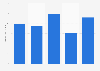
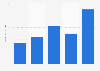
Despite the fact that Warren Buffett retired as CEO of Berkshire Hathaway at the end of 2025 and stepped down from his position as chairman of the company in September 2026, his investment philosophy lives on under Greg Abel's leadership. For that reason, the public continues to pay close attention to the investments made and not made by the company. When Berkshire Hathaway released its third-quarter results on November 7, one number caught the eye of many Wall Street observers. The company's cash pile, i.e. cash, cash equivalents and short-term U.S. Treasury bills, reached $377.4 billion - a figure that many interpret as a sign that the "Oracle from Omaha" expects a major market downturn. At the very least, it seems to indicate that Buffett, always a stickler for value, doesn't see value in many stocks at their current valuations, which would also explain why the company has been a net seller of stocks in 15 of the last 16 quarters. As our chart shows, Berkshire Hathaway has more than doubled its cash position since the end of 2023. Over the same period, its investments in equity securities fell from $354 billion to $336 billion.
In his last annual letter to shareholders, Buffett addressed his company’s growing cash pile in 2025, dismissing fears that it might be an ominous sign. “Despite what some commentators currently view as an extraordinary cash position at Berkshire, the great majority of your money remains in equities,” Buffett wrote, adding that the value of the company’s controlled equities, i.e. the many companies it wholly owns or controls, increased. “Berkshire shareholders can rest assured that we will forever deploy a substantial majority of their money in equities,” he added, saying that the company would always prefer ownership of good companies, whether controlled or partially owned, over cash-equivalent assets. Greg Abel seconded this view in this year's letter to shareholders. He called the cash reserves "dry powder", adding that the company would always "aim for ownership of productive businesses over U.S. Treasuries."