Highs and lows of oil prices in the past decade
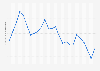
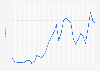
In the past decade, oil prices have been particularly volatile. Following the Great Recession, production caps by the largest oil producing body, OPEC, saw prices climb to historic highs. The OPEC reference basket reached an annual average of 109.45 U.S. dollars per barrel in 2012, while Brent crude climbed to 111.63 U.S. dollars. This surge in prices incentivized North American oil and gas producers to reinforce hitherto unprofitable extraction methods for shale oil and oil sands, which contributed to the oil glut of 2016. That year, benchmarks fell below an annual average of 45 U.S. dollars per barrel. The following three years saw prices initially recover. However, the 2020 coronavirus pandemic and resulting mobility restrictions had dire effects on the industry. April 2020 recorded some of the lowest ever closing prices for crude oils, with WTI even trading at negative prices for some time.How geopolitical events in the 2020s shaped prices
Two years into the coronavirus pandemic, an increase in economic activity and the Russia-Ukraine war led to benchmarks surging to highs not seen since 2008. In the months since the outbreak of the war, weekly crude oil prices rose to over 120 U.S. per barrel, as traders expected severe bottlenecks following sanctions on Russian exports. Since the end of 2022, oil prices have largely fluctuated between 75 and 85 U.S. dollars. Although geopolitical events such as the Red Sea crisis and Israel-Hamas war impacted oil transportation and demand outlooks, prices have stayed comparatively stable throughout the winter of 2023/24.Gasoline prices amid the energy crisis
Crude oil prices are the greatest determinant for motor fuel prices. As such, fluctuations in raw material prices are immediately noticeable to drivers around the world. Gasoline prices vary greatly between countries, shaped by occurrences of domestic oil production and government subsidies.For example, the United States tends to have lower gasoline prices than European countries, due to large oil production at home. The same circumstances explain why Libya has the lowest gasoline prices in Africa, while the Central African Republic has some of the highest. In Russia, gasoline prices increased throughout 2023, as drone attacks impacted local refineries. Meanwhile, the 15-year high in Japan’s gasoline prices recorded in August 2023 was attributed to a slow phase-out of government subsidies introduced following the Russia-Ukraine war and a weaker yen.