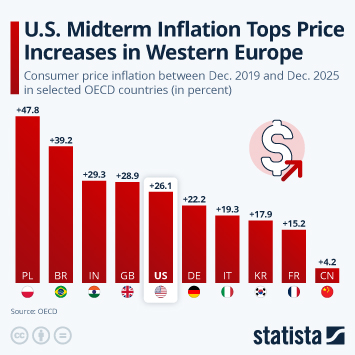
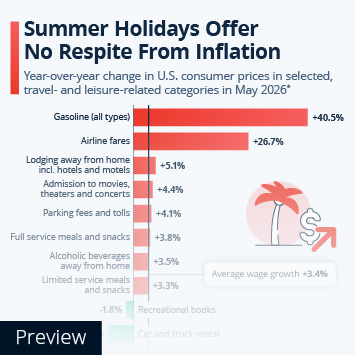
While the U.S. economy has come through the inflation crisis relatively unscathed, with robust if unspectacular growth, relatively low unemployment and high stock prices, many American families have not. Confidence is down as millions of Americans feel worse off than they did a couple of years ago - and many actually are. The main problem with inflation is the fact that it hits consumers right where it hurts: the wallet. In times of high inflation, when prices increase faster than nominal wages, real wages go down, meaning that workers feel the purchasing power of their income decline.
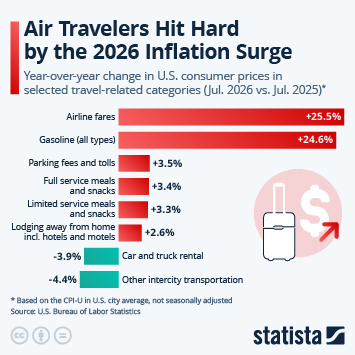
During the inflation crisis of the past few years, this has been the case from April 2021 to April 2023, when real hourly earnings declined for 25 consecutive months on a year-over-year basis. In May 2023, real wages began to rise again as nominal wage growth outpaced inflation once again as it normally should. By February 2026, wages had almost caught up with the price increases of the past few years, meaning that Americans would finally feel things improving. That's when the war in Iran caused a spike in gasoline prices, however, which resulted in inflation once again outpacing wage growth. As of July 2026, real wages were down 0.8 percent compared to January 2021, meaning that, adjusted for price increases, American workers are still making less than they did more than five years ago.
Back in December, former Fed chairman Jerome Powell acknowledged that real wage growth would be key for consumers to get over the inflation crisis. "We’re going to need to have some years where real compensation is higher, significantly positive ... for people to start feeling good about affordability,” Powell said. Eight months later, things are once again looking bleak and high prices continue to cause major headaches across the United States.