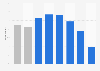
In 2025, the average quarterly U.S. household spent on plays, theater, opera and concerts amounted to $108, according to the Bureau of Labor Statistics, a drastic increase compared to pre-pandemic levels. While this evidence is anecdotal, it suggests that either Americans are willing to spend more on live entertainment or costs for such events have risen by such a degree that could explain the spending jump. Whichever reason might be true: The live industry came back from its coronavirus slump stronger than before, at least in terms of the value of concerts, festivals and other cultural live events booked. PwC projected in their latest Global Entertainment and Media Outlook that in 2030, live music will generate $41.5 billion in revenue worldwide.
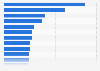
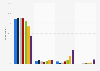
A recent Statista Consumer Insights survey shows that when it comes to buying a ticket for an event, a majority of U.S. Americans surveyed used Ticketmaster. 56 percent of online event ticket buyers had engaged in business with the platform, which was merged with Live Nation in 2010 and has long been under anti-trust scrutiny, starting with problems in connection with the pre-sale of Taylor Swift's Eras tour in 2022, soaring concert costs due to dynamic pricing and finally, a monopoly verdict by a New York jury, which Live Nations is trying to have overturned currently.
Ranking second and third are StubHub and Eventbrite with 33 and 28 percent, respectively. The latter company was founded in 2006 and went public in 2018, while the former is not a first-party seller, but rather a ticket exchange and resale platform that has seen its own share of controversy over the price inflation of professional ticket resellers. Of the eight most popular ticketing websites, five are at least partially in the ticket reselling business, with SeatGeek offering up tickets directly from the venues and organizers as well as resale tickets.