2026 measles outbreaks in the U.S. encompassed more than 5,000 registered cases to-date, according to data from the Centers for Disease Control and Prevention. This is the highest number of cases in a year since 1990. As the figures reflect only confirmed measles cases, the actual number is likely higher.
CDC data shows that of the 5,128 cases registered as of Nov. 6, 96 percent were in unvaccinated people or those with an unknown vaccination status. Two percent of cases were among those who had received one dose of the MMR vaccine, which covers measles, mumps and rubella, while another two percent reported having had two MMR doses. While it is unlikely someone with two doses (and therefore full coverage) of the MMR vaccine can develop measles, it is still possible at 97 percent efficacy for two (and 93 percent for one dose).
Measles cases have been reported across 47 jurisdictions, with the highest numbers found in Pennsylvania (1,476 cases) and South Carolina (670 cases). So far, there have been four confirmed deaths from measles across the U.S. in 2026 and 562 hospitalizations. While around 80 percent of 2026 cases were among persons five years of age and older, hospitalizations were most common among babies and toddlers under the age of 5 (at 17 percent of those who fell ill being hospitalized).
The U.S. had managed to eliminate endemic measles in 2000, meaning that the disease was no longer spreading and new cases were only discovered after people contracted the disease abroad. However, the continuously high circulation of measles in the country in 2025 and 2026 could mean that the disease will be deemed endemic again.
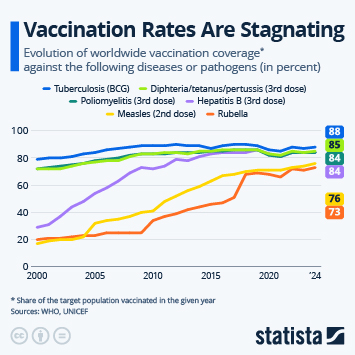
According to the CDC, when more than 95 percent of people in a community are vaccinated, most people are protected through herd immunity. Vaccination coverage among U.S. kindergartners has decreased from 95.2 percent during 2019-2020 to 92.4 percent the 2025-2026 school year, with levels of protection varying across different communities.