On Wednesday, the Federal Open Market Committee, now chaired by Trump appointee Kevin Warsh, decided to raise interest rates for the first time since July 2023. The benchmark interest rate was raised by 0.25 percentage points, bringing the target range to 3.75 to 4.00 percent. The unanimous decision to hike rates had been widely expected, as inflation continued to run well above the 2-percent target in the two readings since the last policy meeting. There could be more to come, however, as 12 out of 18 committee members who offered their opinion – Fed Chair Warsh once again decided to abstain – predict one more rate hike this year and another four Fed officials expect two more rate hikes in as many remaining meetings in 2026.
Following his third FOMC meeting as Fed chairman, Warsh reiterated his commitment to bringing inflation down. "The labor side of the Fed’s congressional remit is in good shape," he said in a press conference. "Yet for more than five years, inflation has been running above target. So, our predominant focus is on the price-stability side of our mandate. The plain fact is that inflation is too high and has been for too long."
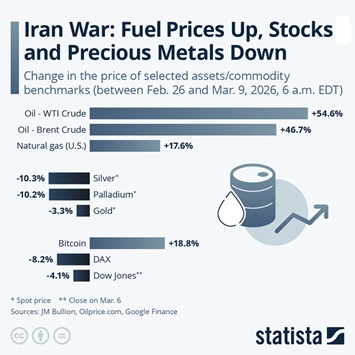
When President Donald Trump nominated Kevin Warsh to succeed Jerome Powell as Fed chair, he had almost certainly hoped for a different outcome. For more than a year, he had criticized Powell for not lowering interest rates fast enough, repeatedly calling him “Too Late Powell” in his social media rants. However, the war in Iran and the energy price shock that followed have made it all but impossible for the Fed to be less restrictive. If anything, a more hawkish Fed could have decided to raise rates even sooner, but like his predecessor Warsh decided to wait for more information.
Unsurprisingly, Trump was critical of the Fed’s decision to hike rates but refrained from attacking Warsh personally. "He’s got a very tough board, he told reporters on late Wednesday before calling the FOMC "a bunch of politicians."