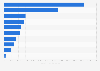
9/11 is the most costly man-made disaster recorded in modern history, at least if you look at it from the perspective of the insurance industry. The terrorist attacks against the World Trade Center alone cost more than $32 billion dollars in insured damages at the time or more than $60 billion in today's money.
Compared with the most costly natural disasters in terms of insured losses, the 9/11 attacks still come third when adjusting for inflation, showing the tragically large scale of the event that killed almost 3,000 people and transformed New York City for years.
Hurricanes dominate the biggest insured losses caused by natural disasters, especially those which hit the United States. The costliest among them was Hurricane Katrina, which caused insured losses of more than $60 billion in 2005 ($111 billion after inflation). Earthquakes (and the tsunamis that they can cause) are rarer, but also have the potential to be devastating, as the appearance of the 2011 earthquake and tsunami in Japan among the top 10 show. Developed countries typically incur bigger insured losses. For example, the 2008 earthquake in Sichuan, China, cost $85 billion in overall losses - more than Hurricane Sandy in 2012 - out of which only $300 million were insured.
While the chart distinguished between natural and man-made disasters, that line is becoming more blurred for atmospheric catastrophic events. The human impact on global climate is manifesting itself in the form of more frequent extreme weather events. Two hurricanes and one major wildfire that happened in the past five years ranking among the top 10 costliest disasters to the insurance industry are a testament to that. While wildfires can also have a man-made component in the form of arson or careless handling of fire, this issue is still unresolved for the 2025 Los Angeles Palisades wildfire.