Since early December 2025, a wave of protests has swept across Iran, ranging from human rights campaigns in major urban areas to labor strikes in industrial hubs. Part of the growing popular unrest concerns the accelerating use of the death penalty by the Iranian regime (more than 1,000 executions documented so far in 2025), while the country's economic situation has significantly deteriorated.
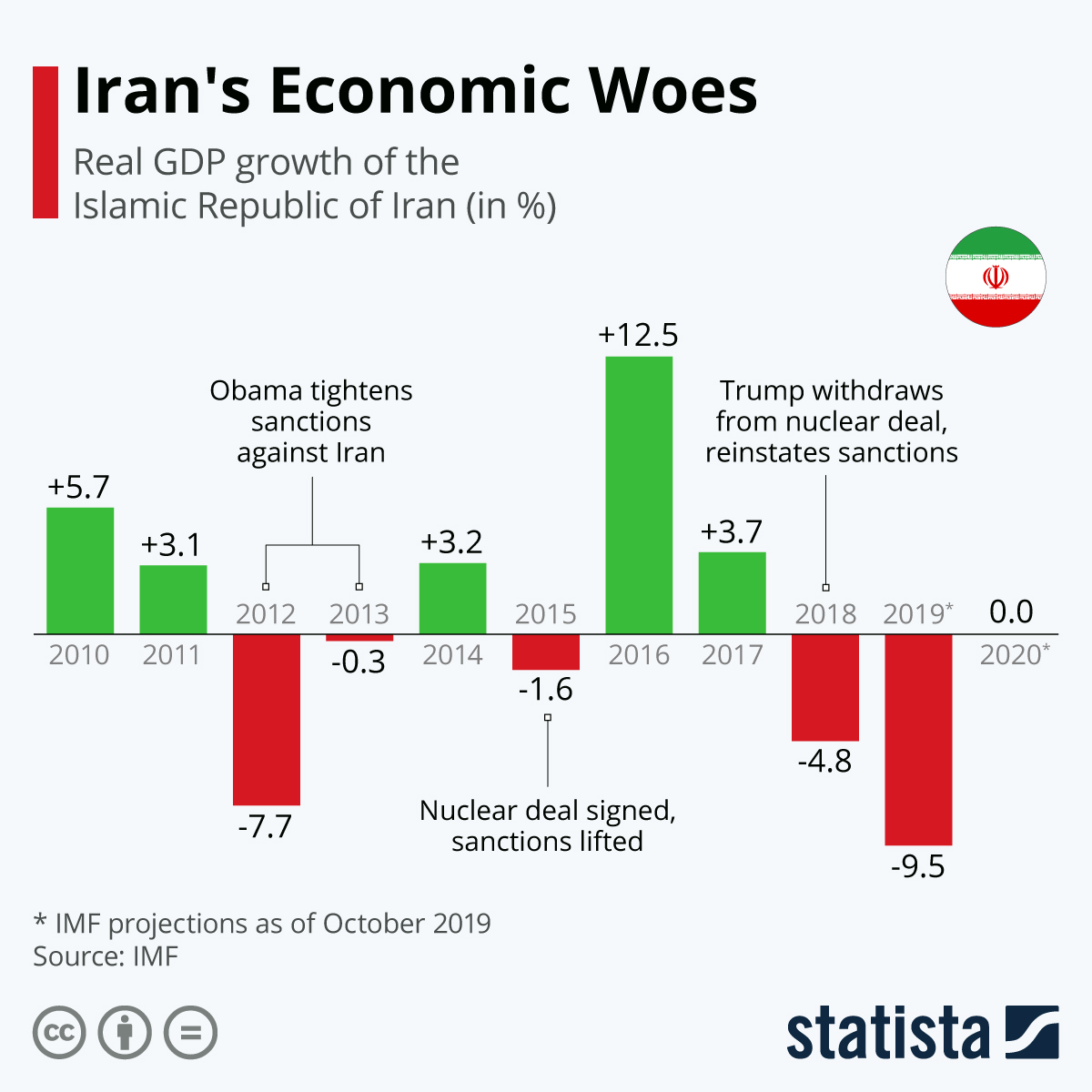
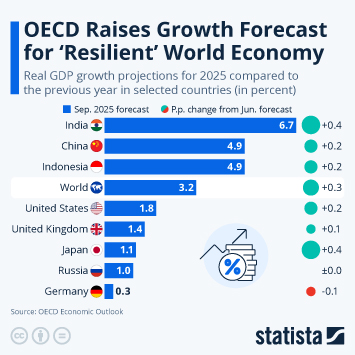
Iran is currently facing one of its most severe economic and social crises of the decade, as the country grapples with near-zero GDP growth, soaring inflation and escalating social and geopolitical tensions. According to the IMF's latest projection (October 2025), Iran’s real GDP is expected to grow by just 0.6 percent in 2025, a sharp decline from previous years (+3.7 percent in 2024, +5.3 percent in 2023). Inflation, meanwhile, is forecast to surge to 43.3 percent, one of the highest rates in the world, as the national currency (rial) continues its dramatic depreciation.
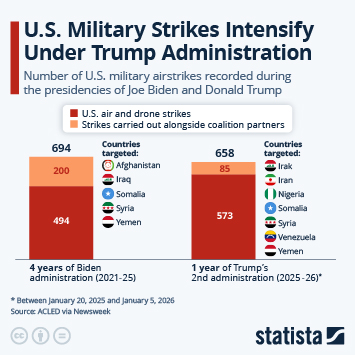
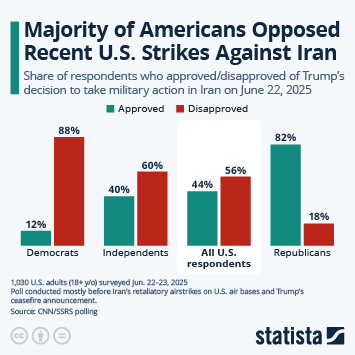
This grim outlook underscores the depth of Iran’s economic issues, driven by a combination of chronic mismanagement, systemic corruption and the impact of international sanctions. The escalation of the conflict with Israel and the United States this year has further deteriorated the situation. After a brief but intense war in June 2025, causing billions of dollars in damage in Iran, the United States imposed additional sanctions, targeting Iran’s oil, banking and shipping sectors. The reimposition of the United Nations' “snapback” sanctions in late 2025 has also added to the pressure.