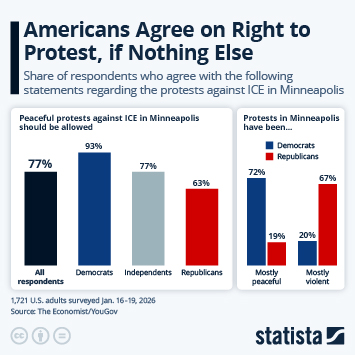
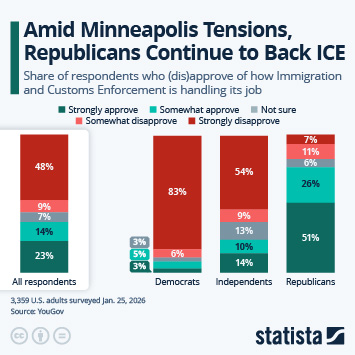
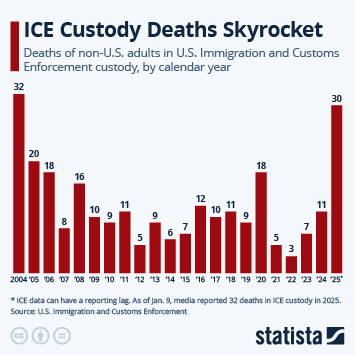
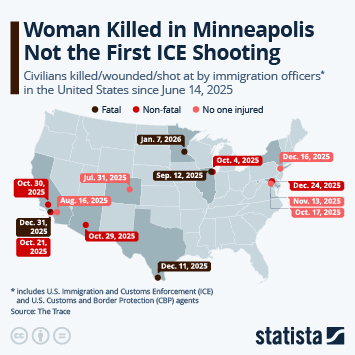
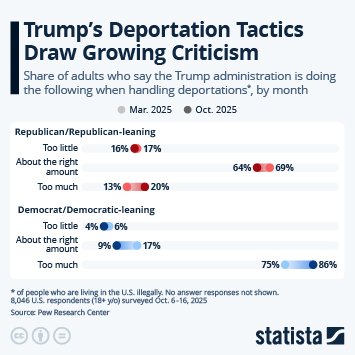
Tensions are running high in Minneapolis following the killing first of Renée Good on January 7 and then Alex Pretti on January 24 by federal agents, as well as the detaining of five-year old Liam Ramos and his father last week. The Ramos’ have now been released from custody after a federal judge demanded both were set free. However, the deaths and detainment of a child have sparked outcry across the United States as well as protests within the local community.
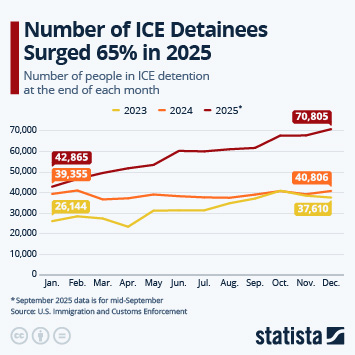
Since entering office, the Trump administration has implemented a heavy-handed crackdown on immigration, including having sent federal agents to Charlotte, Chicago, Los Angeles, Memphis, New Orleans, Portland and Washington D.C. He has taken particular issue with sanctuary jurisdictions, which are states, counties or cities that limit cooperation with federal immigration authorities to protect undocumented immigrants.
Last month, Trump said he would cut “significant” federal funding to sanctuary cities as of February 1. While it remains to be seen to what extent this will materialize and to which cities in particular, the White House has published a list of sanctuary jurisdictions, including 13 states, four counties and 18 cities.
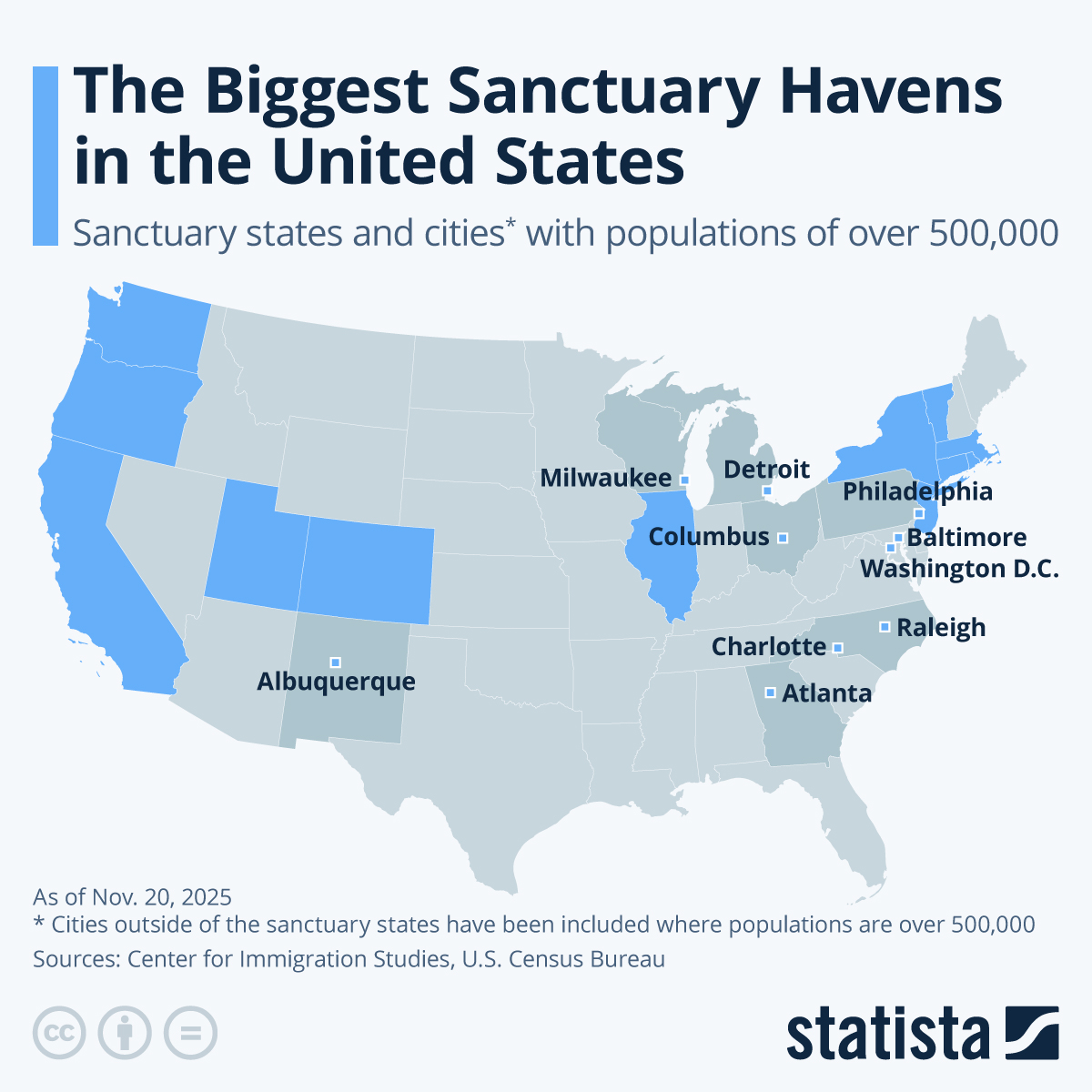
The following chart is based on data from the Center for Immigration Studies, which provides a more detailed overview of sanctuary jurisdictions. As of November 20, the states it includes are California, Colorado, Connecticut, Illinois, Massachusetts, New Jersey, New York, Oregon, Rhode Island, Utah, Vermont and Washington. Sanctuary laws, policies or ordinances can be adopted at a city or state level too. Based on population size of cities or counties, some of the largest sanctuary jurisdictions outside of sanctuary states are Philadelphia, Washington D.C. and Atlanta.