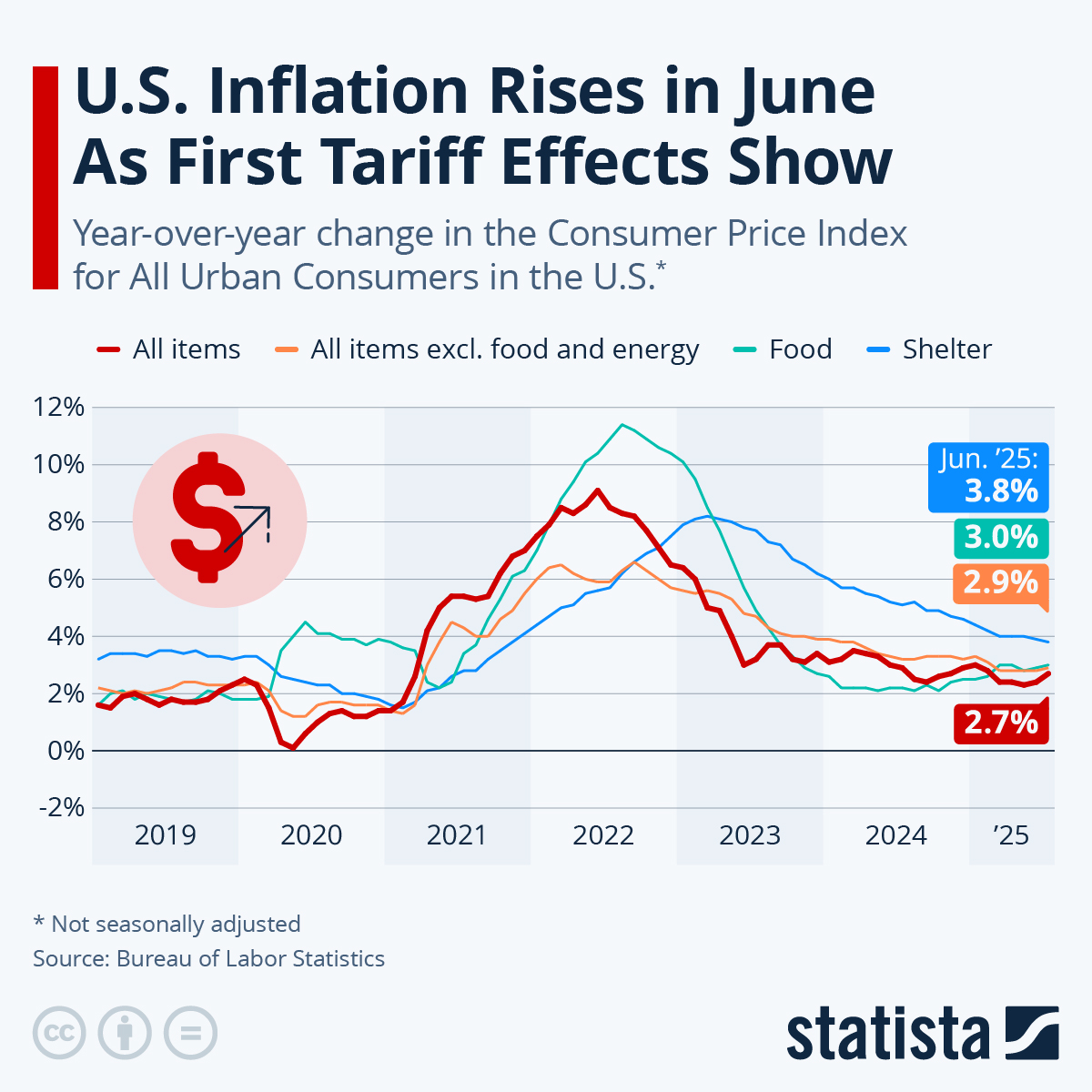
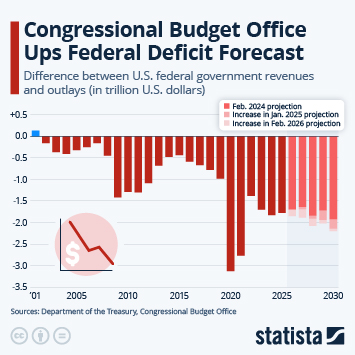
Headline inflation in the United States cooled unexpectedly in November. The Consumer Price Index for All Urban Consumers (CPI-U) rose 2.7 percent over the last 12 months before seasonal adjustment, down from 3 percent in September and below economists’ expectations of 3.1 percent, according to the Bureau of Labor Statistics.
The release on Thursday was closely watched after the October CPI report was canceled due to the government shutdown. As a result, the data is incomplete, with no month-over-month figures published for October and November prices having been collected after the government reopened, with cheaper prices likely documented amid Black Friday sales. Many economists took the results with a grain of salt, as it isn't entirely clear how accurately the incomplete data reflects recent price trends.
Core inflation, which excludes volatile food and energy prices, rose by 2.6 percent over the year. Food prices also increased by 2.6 percent, shelter by 3 percent and energy by 4.2 percent, driven partly by an 11.3 percent increase in fuel oil, while gasoline rose by just 0.9 percent. On a monthly basis, both headline and core inflation edged up 0.2 percent between September and November.
Analysts say inflation remains high in part due to tariffs imposed earlier this year by the Trump administration. While their impact has been milder than initially feared, concerns persist that shrinking inventories could push more of the cost burden onto consumers.