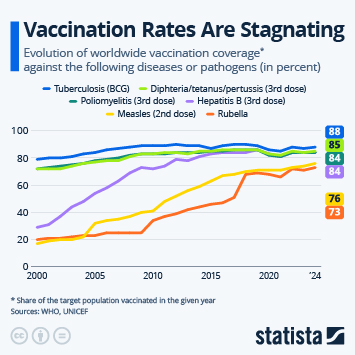
Every year, October 24 marks World Polio Day, which aims to raise awareness of the importance of vaccinations against this disease that has devastating consequences for those infected. Polio is a deadly disease caused by the poliovirus, which invades the nervous system and can lead to irreversible paralysis within hours. It is estimated that one in 200 infections leads to irreversible paralysis and that among those paralysed, 5 to 10 per cent die when their respiratory muscles are immobilised.
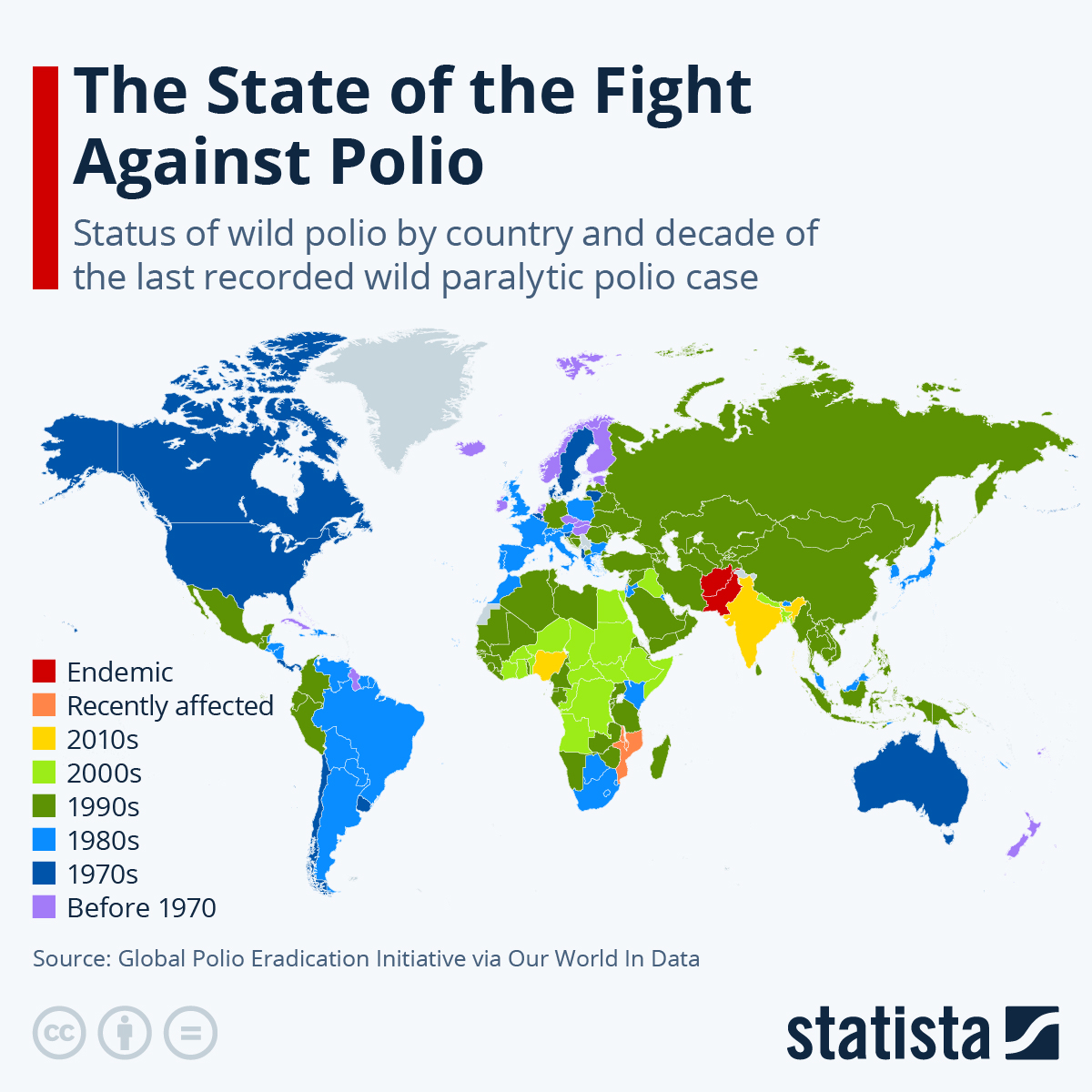
The World Health Assembly adopted a resolution for the global eradication of polio in 1988, and the number of cases caused by wild poliovirus has since fallen by 99 percent: the virus was endemic in 125 countries at the time, but by 2025 it is only endemic in two, Afghanistan and Pakistan.
Mozambique and Malawi were affected in 2022 by wild polio cases, with the virus believed to have been imported from Pakistan. The event led to a large public health campaign as the resurgance of wild polio was a dreaded and rare reversal of its eradication around the world. Africa had been declared free of endemic wild polio in 2020 and the two countries in question hadn't seen a wild polio case since the 1990s. In early 2024, the WHO declared the outbreak over.
Polio also returned to Palestine last year after no cases had been detected in the territory since 1999. The first case was confirmed in August 2024 in Gaza, where the widespread destruction of infrastructure and the forced displacement of 2 million people has facilitated the transmission of the virus. The origin of the disease in this case was vaccine-derived, a rare mutation of the virus included in the oral polio vaccine. Vaccine-derived cases of polio actually outnumber wild polio cases in the world today, but both their numbers are much lower than the extent of polio cases before widespread vaccination and eradication campaigns, showing that vaccines have done their job in reining in the disease. In 2022, poliovirus was detected in London sewage, leading to a polio vaccine booster campaign for young children across the city. However, no cases of the diseases were reported and the risk to fully vaccinated people was considered very low.