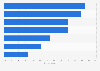
The landscape of cybercrimes is evolving rapidly. While the "artificial intelligence arms race" between cyberattackers and defenders continues to intensify, the primary concerns of industry professionals are now shifting from innovations in adversarial capabilities to more concrete threats.
According to the Global Cybersecurity Outlook 2026, published by the World Economic Forum on January 12, data leaks through generative AI have become the leading cybersecurity concern related to artificial intelligence. Of more than 800 cybersecurity leaders surveyed between August and October 2025, 34 percent mentioned it as an issue for 2026, ahead of the advancement of hackers' capabilities (29 percent). This represents a striking shift from previous years, when attacker innovations were considered significantly more of an AI-related threat than data leaks (for 2024 and 2025: over 40 percent mentioned capabilities; around 20 percent mentioned data exposure).
According to the authors of the report, this change "underscores a turning point in the AI risk landscape for the upcoming year". In addition to hackers' increased capabilities, the growing integration of generative AI tools into daily tasks increases the risks of data leaks and economic cyberespionage.