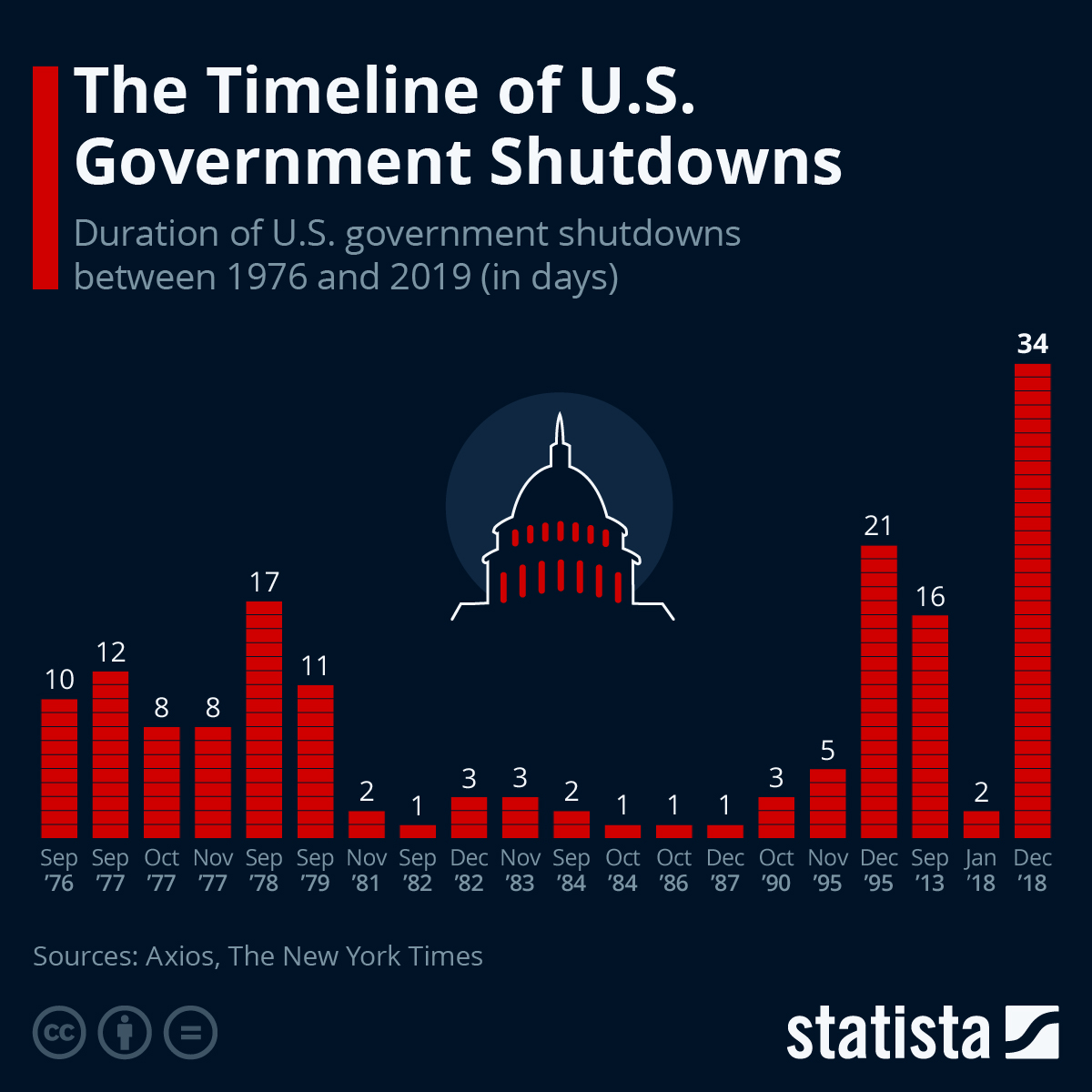
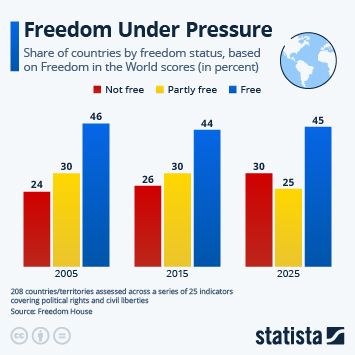
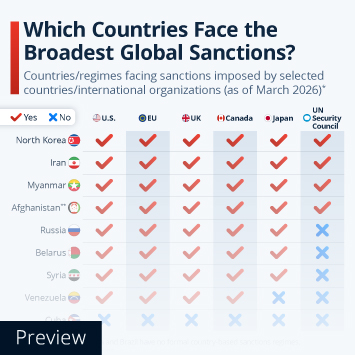
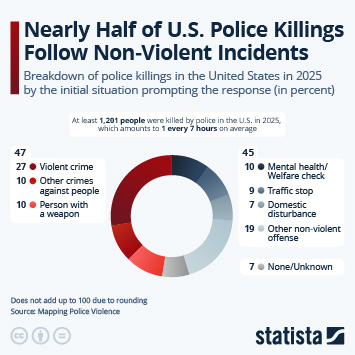
It has now been 38 days since federal funding was cut off in the United States, making it the longest government shutdown in U.S. history. The present funding gap surpasses the previous record of 35 days which took place in 2018/19, following Democrats’ refusal to finance the southern border wall during U.S. President Donald Trump’s first term in office.
The present standstill started on October 1 at 12.01 a.m. after Congress failed to finalize a federal budget to fund government services. Due to a slim majority in the chamber, Republicans were short of the 60 Senate votes needed to pass the final budget bill on their own and as July's One Big Beautiful Bill Act was passed using reconciliation, they cannot circumvent the Senate supermajority again.
Democrats, meanwhile, are using the impasse as leverage to gain assurances that federal healthcare subsidies for low-income people under the Affordable Care Act will be extended. They also hope to win back some of the Medicaid funding in the upcoming budget that the Trump Administration cut previously. While a stopgap bill intended to prevent the shutdown was passed in the lower chamber, it was not passed in the Senate.
A timeline shows that government shutdowns have been getting longer in the last three decades, with the third-longest and the fifth-longest shutdowns taking place in 1995 and 2013, respectively. Throughout the 1980s, shutdowns were numerous, but shorter, while in the 1970s, they also ran somewhat longer, but only surpassed two weeks once, in 1978. Government shutdowns aren't all that rare: Since 1976, there have been 20 shutdowns that lasted an average of 8 days.