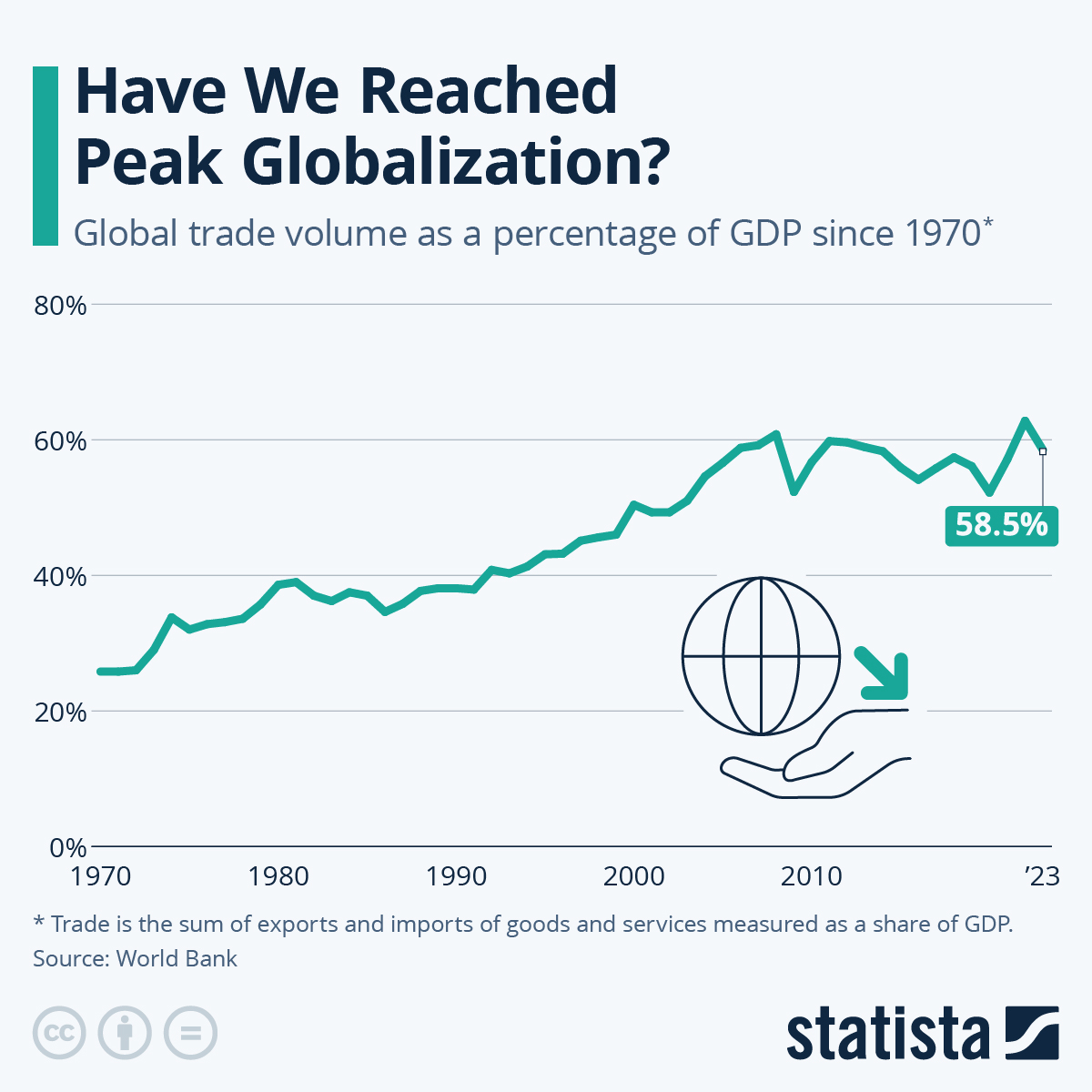
After decades of growth for world trade, global tourism and international cooperation, globalization has hit a series of roadblocks in recent years, as the reemergence of nationalism and protectionism has undone some of the progress made in the past. After global trade growth stagnated in the wake of the financial crisis and during the first Trump administration, when trade tensions between the United States and China first came to the boil, the Covid-19 pandemic resulted in a steep decline in global trade, which, measured as a share of global GDP, dropped to its lowest level since 2003 in 2020.
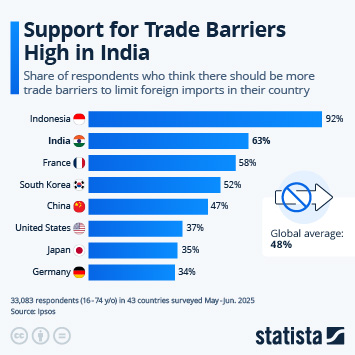
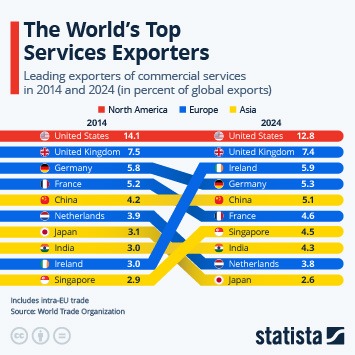
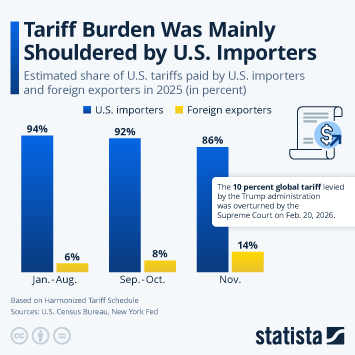
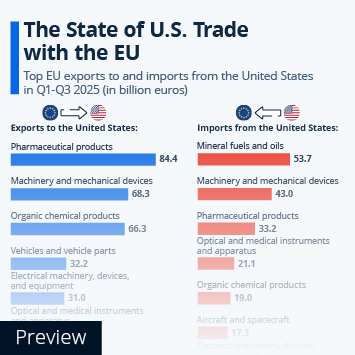
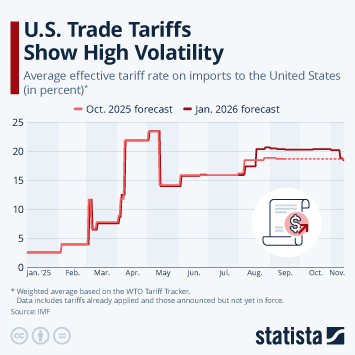
Despite the pandemic serving as a reminder of the vulnerabilities of global supply chains, world trade bounced back promptly, with the global trade-to-GDP ratio peaking at 62.8 percent in 2022 before dropping back to 56.8 percent in 2024, according to the World Bank. Since then, a renewed U.S. trade war, escalating geopolitical tensions and armed conflicts, including in the Middle East, have further disrupted global trade flows. With economic blocs hardening and nationalistic voices gaining strength in many parts of the world, we may well have seen the peak of globalization. The uncertainty surrounding future trade policy and conflict escalation could result in companies re-thinking their supply chains in an attempt to make them less vulnerable to global trade disruptions. As it takes time to re-configure global supply chains, it remains unclear how lasting the current shift toward fragmentation will be for global trade in the long term.