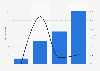
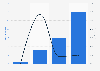
While there had been AI-powered tools before OpenAI released ChatGPT to the public in November 2022, none of them gained as much public attention and hype. After its release, word of ChatGPT’s capabilities spread like wildfire online and within days, more than a million people had registered to use it. It was a watershed moment in the brief history of artificial intelligence and one that we'll likely look back to years, if not decades from now, thinking: this is where it all began.
ChatGPT was the first generative AI tool to reach mass adoption, giving millions of people around the world a taste of what large language models are capable of. In the three years since ChatGPT's release, other tools have popped up left and right, as more and more companies brought their own models to market. Whether it's image generation and enhancing tools such as Adobe Firefly or AI-powered productivity suites such as Microsoft's Copilot - there are many ways in which companies try to leverage the capabilities of AI, but so far none has come as reached the same level of adoption that ChatGPT has.
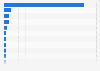
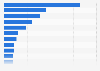
According to surveys conducted by Statista Consumer Insights in 2023, 2024 and 2025, ChatGPT has always been ahead of the pack. While the landscape around it has been changing constantly, ChatGPT has retained its first-mover advantage. Looking at the results, it also becomes clear who has emerged as OpenAI's biggest rival in the race for AI supremacy: since 2023, Google Gemini has gradually caught up with ChatGPT and is now comfortably sitting in second place with 40 percent of respondents saying they've used it.