Despite the challenging macroeconomic environment and a high degree of uncertainty regarding the impact of the Iran war on the U.S. economy, the Fed remains cautiously optimistic in its latest economic outlook. In fact, Fed officials upped their GDP growth outlook for 2026 ever so slightly, citing resilient consumer spending and expanding private investments as reasons for the upgrade. The Federal Open Market Committee's median growth projection for 2026 is now 2.4 percent, up from 2.3 percent in December and just 1.8 percent in September.
For 2027, the FOMC is now predicting 2.3 percent growth, up from 2.0 percent in its December projections, while real GDP growth is now expected to slow to 2.1 percent in 2028. In 2025, real GDP expanded 2.1 percent according to the latest estimate, which is more than the Fed predicted in December after a year that was shaped by the impact of tariff anticipation and tariff reaction, which saw GDP growth swing wildly from quarter to quarter. In Q1 2025, real GDP had contracted 0.6 percent, due to tariff frontloading resulting in a steep increase in imports, which is a subtraction in the calculation of GDP. In the second quarter, the opposite effect, i.e. a steep decline in imports due to tariffs, resulted in 3.8 percent growth, neither of both readings accurately reflecting the fundamental state of the economy.
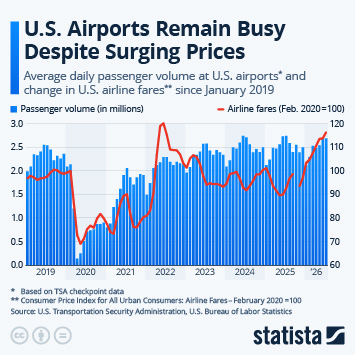
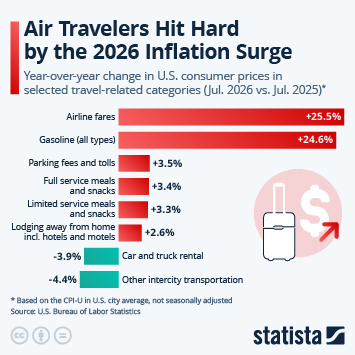
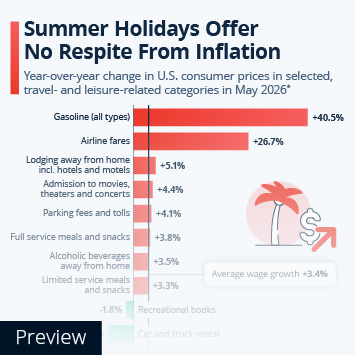
In terms of consumer prices, Fed officials now expect inflation to remain higher in the short term than previously anticipated. The steep rise in oil and energy prices since the start of the war in Iran will likely prevent further cooling of inflation, as non-energy prices will also be affected by higher input costs. The Fed is now expecting 2.7 percent PCE inflation in Q4 2026, compared to a previous estimate of 2.4 percent. By the end of 2027, Fed officials expect inflation to cool to 2.2 percent before returning to the Fed's target level of 2 percent in 2028. Looking at the labor market, FOMC members expect the unemployment rate to peak at the current level of 4.4 percent before gradually falling to 4.2 percent by 2028.