Global greenhouse gas emissions reached a new record high in 2024, after increasing by around 3 percent compared to 2023 and 8 percent compared to the previous decade (2010-2019 average). This is according to data from the UNEP’s Emissions Gap Report 2025, issued on Tuesday ahead of the COP30 climate conference in Brazil.
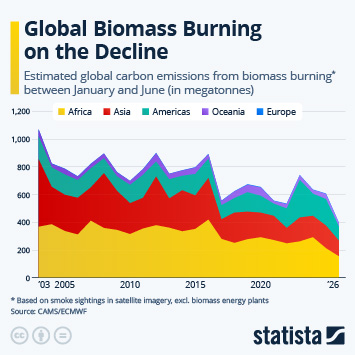
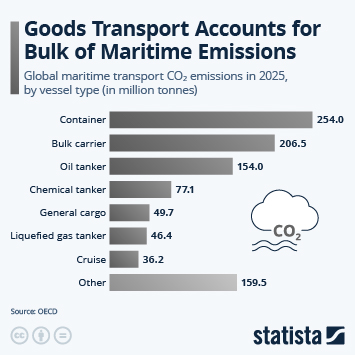
Last year, total GHG emissions hit 57.7 gigatons of CO2 equivalent. In 2024, the power sector was the largest contributor to emissions at 15.6 Gt CO2e (27 percent), followed by transport (8.4 GtCO2e, 15 percent) and industrial energy (6.5 GtCO2e, 11 percent). Under transport, the subcategory of road vehicles produced the most emissions (over 10 percent), while aviation and other modes of transport each accounted for around two percent, respectively. Agriculture is also among the main emitting sectors, with an 11 percent share of global emissions, 6 percent of which was attributed to livestock and 5 percent from biomass burning, soils and rice.
According to the report, emissions grew across most sectors in 2024, but growth was particularly pronounced in international aviation (+6.3 percent), continuing the rebound of air travels since the coronavirus pandemic. The other sectors that grew quickly last year were emissions from fuel production (oil and gas infrastructure, coal mines), as well as energy and process-related industry emissions.