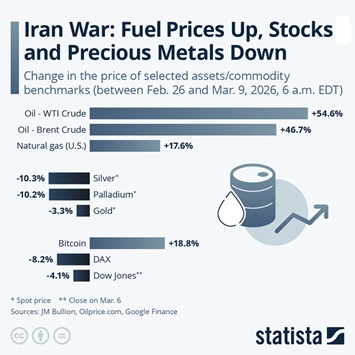
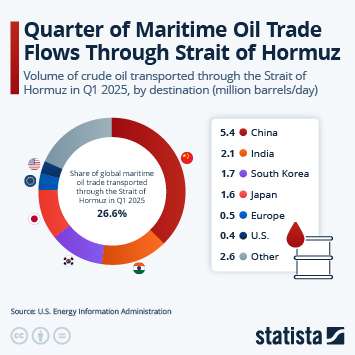
Since 28 February, 2026, commercial shipping through the Strait of Hormuz has been severely disrupted amid the escalation of the conflict involving Iran, Israel and the United States. The strategic waterway, an essential route for energy and bulk commodities, remains for now almost entirely closed, with only a few ships from certain countries allowed to pass by the Iranian regime. Analysts warn that the longer the Strait remains out of bounds, the more global supply chains will begin to seize up. Beyond oil and gas markets, “a prolonged disruption would significantly tighten fertilizer availability in major import-dependent regions such as Brazil, India, South Asia and parts of the EU,” Dutch bank ING found in a recent note.
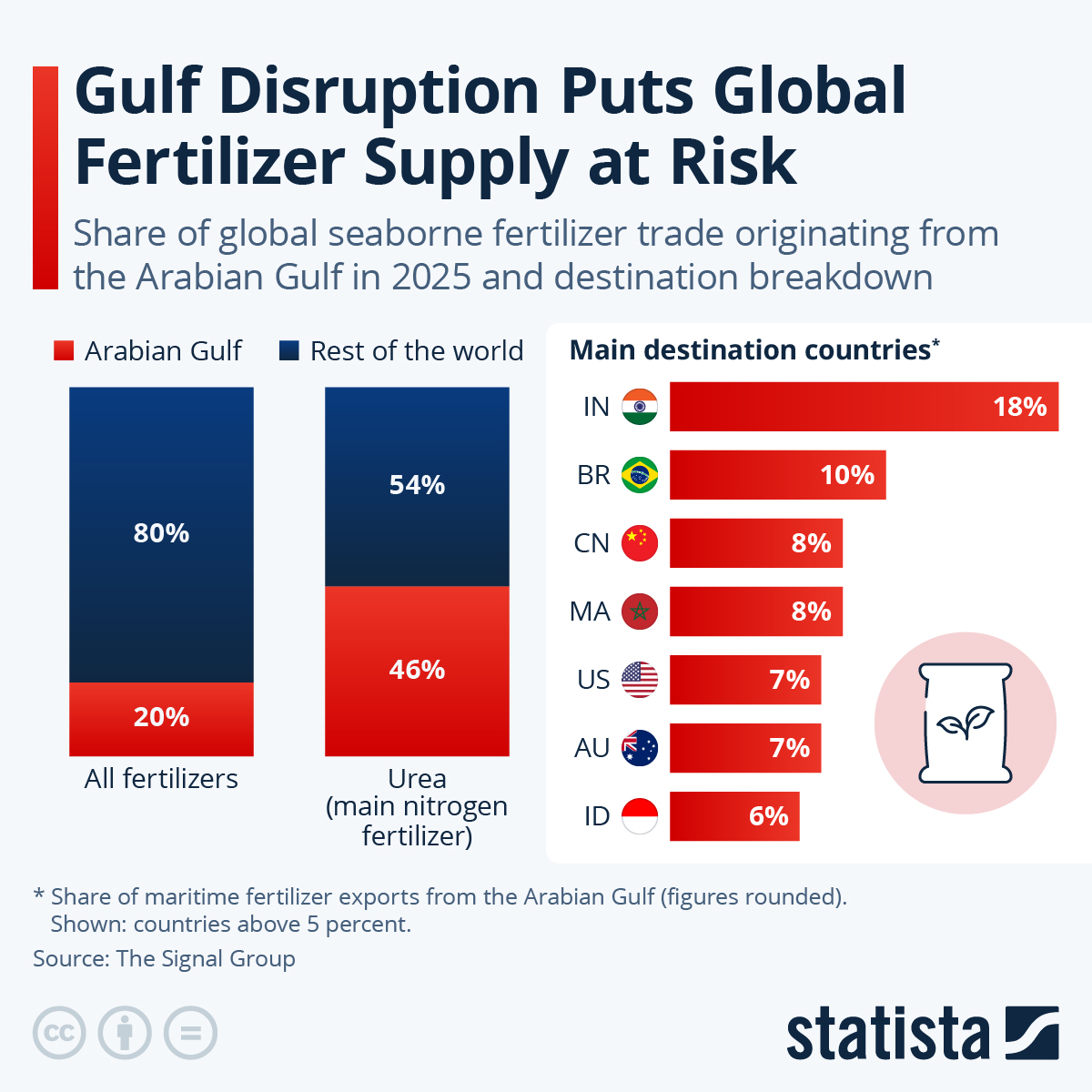
According to an analysis published by the shipping services company Signal Group, around 20 percent of global seaborne fertilizer exports originate from the Arabian Gulf, highlighting the region's central role in feeding global agriculture. The dependency is even more pronounced for urea, the most widely used nitrogen fertilizer, with roughly 46 percent of global trade linked to Gulf producers. These exports are heavily directed toward key agricultural markets, led by India (18 percent), followed by Brazil (10 percent) and China (8 percent), with additional significant shares going to Morocco, the United States, Australia and Indonesia (6 to 8 percent). The concentration of both supply and trade routes underscores the vulnerability of global fertilizer markets to regional instability.
A prolonged disruption could have far-reaching consequences. Fertilizers remain a cornerstone of modern agriculture and supply shortages or price spikes could potentially quickly translate into higher food production costs. As highlighted in recent reports, rising fertilizer and energy prices could increase global food prices and exacerbate inflationary pressures, particularly in import-dependent regions. Countries with already fragile food security systems, particularly in parts of Africa and South Asia, would be most exposed, increasing the risk of broader food crises if supply constraints persist.