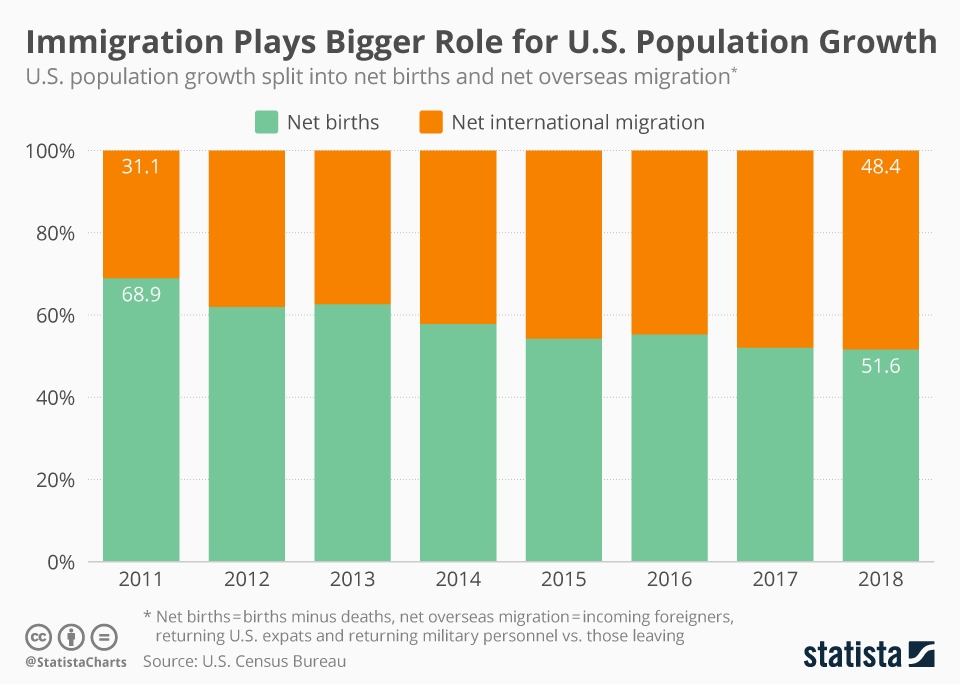
The U.S. population grew by around 1.8 million people last year and immigrants made up more than 70 percent of that increase. Immigration is responsible for a rising share of U.S. population growth, while fewer births taking place in the country have diminished the role of natural population increase, as shown in figures by the U.S. Census Bureau. Apart from this general trend, fluctuations tied to immigration policy are clearly visible in the data (as is the release of a new Census in 2021). During the first Trump administration, fewer immigrants settled permanently in the country in 2017-2019, causing the share of immigration in population growth to shrink. The same happened in 2025 when immigrant settlements fell once again from their post-Covid peak (after the pandemic itself had been another factor that disrupted immigration flows).
In 2011, only around 35 percent of U.S. population growth was due to net international migration, which is the number of people moving to the U.S. minus the people leaving it. Net births, the number of births in the U.S. minus the number of deaths, have had a shrinking impact on population growth, its share being just 29 percent in 2025, down from 68 percent in 2011.
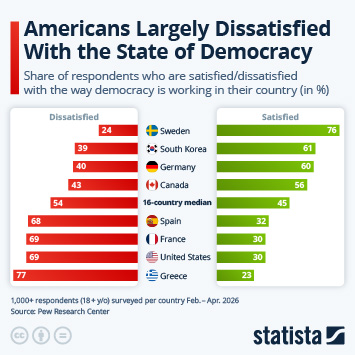
Last year's population growth of 1.8 million people only translates to a 0.5-percent increase, near historical lows for the U.S., as immigration slowed to 1.2 million, down from 2.8 million in 2024, and net births stood at just over 500,000. However, birth rates and overall population growth in the U.S. still remain above those of quickly aging societies like Japan, Germany or Spain. These countries are currently experiencing the negative effects of aging and decreasing populations, like falling labor market participation, labor shortages and strain on social systems.