At the end of this week’s FOMC policy meeting, the first chaired by Trump appointee Kevin Warsh, Fed officials came to the same conclusion as they did in each of the three previous meetings: to keep the benchmark interest rate at the current target range of 3.50 to 3.75 percent. While that was not a surprise – markets had firmly predicted this outcome since mid-March – the Fed’s projections may have turned some heads, including that of President Donald Trump.
The so-called dot plot, i.e. the committee members’ individual assessments of the right policy path ahead, revealed that nine of the 18 committee members who submitted a dot – Chairman Warsh chose to abstain – are projecting at least one rate hike this year, while only one Fed official penciled in a rate cut for the remainder of 2026. Looking further ahead, FOMC members are signaling higher-for-longer rates, with median projections for 2027 and 2028 up 0.50 and 0.25 percentage points, respectively, compared to the March meeting.
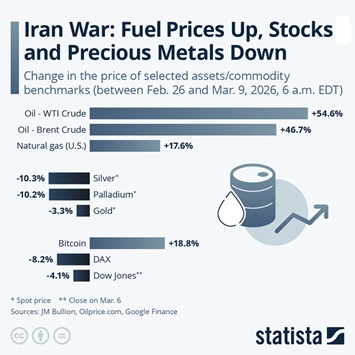
When Trump nominated Kevin Warsh to succeed Jerome Powell as Fed chair, he had almost certainly hoped for a different outcome of his first policy meeting. However, the war in Iran and the energy price shock that followed have made it all but impossible for the Fed to lower interest rates right now. If anything, a more hawkish Fed may have decided to raise rates now in light of the latest inflation surge. The chosen wait-and-see approach is more in line with previous Fed policy, as Powell was known for patience rather than rash decisions – a characteristic that led to Trump calling him “Too Late Powell” (among many other insults) in numerous social media posts lambasting the former Fed chair for his refusal to lower interest rates quicker.
This week’s decision will be considered an encouraging sign by those doubting the Federal Reserve’s independence under its new leadership. In his first post-meeting press conference, Warsh made clear that the Fed’s remit remains the same – price stability and maximum employment – and that he intends to uphold the Fed’s traditions: “rigorous debate, open-mindedness, commitment to mission, responsibility, and accountability for performance.”