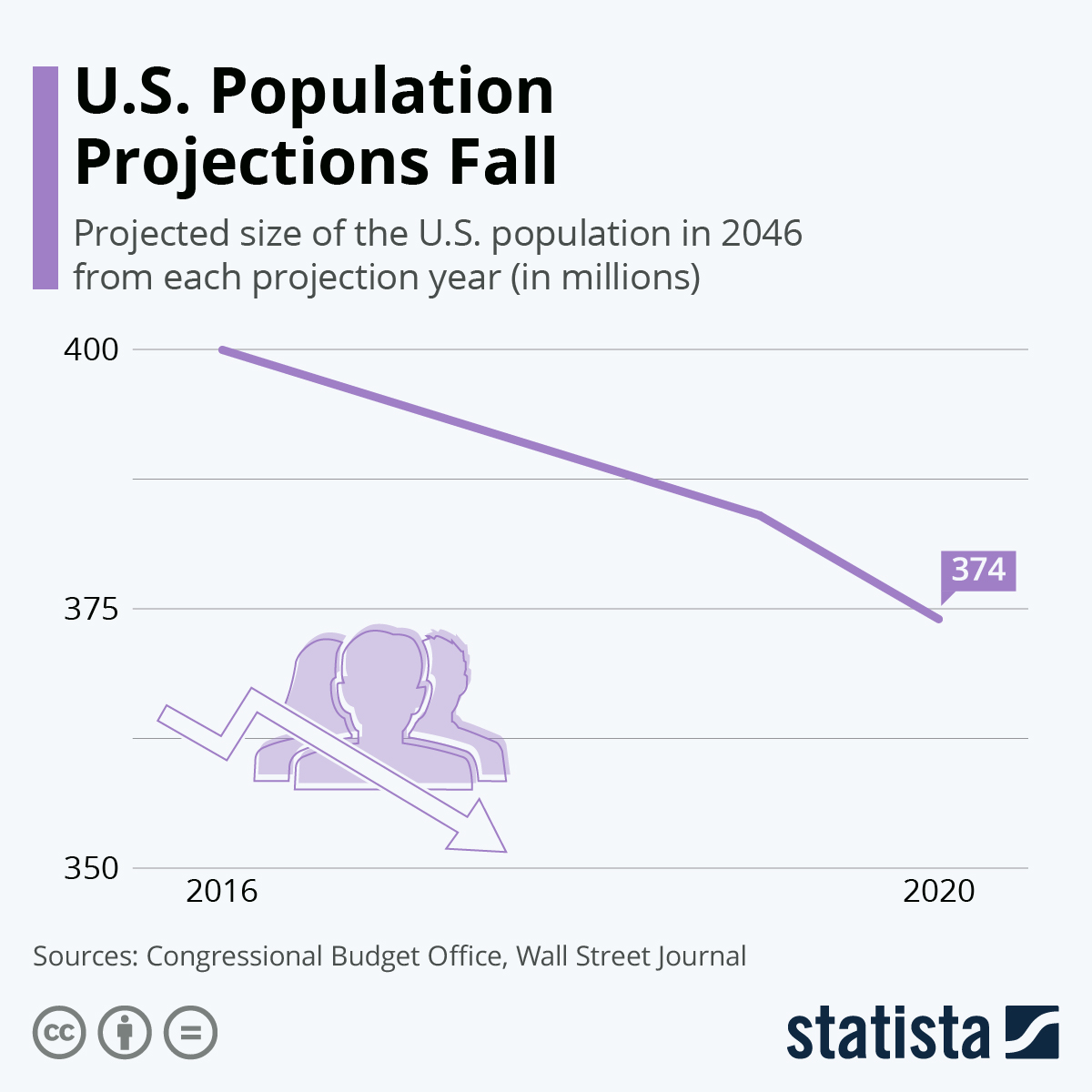
The population of the United States is projected to keep on climbing until the middle of the current century. However, the increase that can be expected over the next half decade has been significantly corrected downwards over the last couple of years.
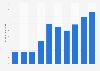
According to the Congressional Budget Office, 349 million people live in the United States in 2026. In 2050, this is expected to have risen to 364 million. In 2019, previous to the coronavirus pandemic, the 2050 forecast had still shown a U.S. population of 389 million.
As seen in the data, U.S. population projections were substantially impacted by Covid-19, as the country experienced high excess mortality and projections kept being corrected downwards due to this fact. In the years when the pandemic subsided, forecasts showed higher expected population numbers again, while 2025 and 2026 projections trended lower once more. The latest 2026 forecast reached a new low compared to the previous years' ups-and-downs as U.S. net immigration fell majorly in 2025.
As a reversal of low birth rates seem more and more unlikely, immigration continues to keep U.S. population growth aflot. Immigrants have contributed more to it than net births have since the start of the pandemic. At this point, net births (births minus deaths) took a major hit from which they never fully recovered. The Congressional Budget Office expects U.S. net births to turn negative around 2030, at which point only immigration will be contributing to U.S. population growth.
But the U.S. population is not just growing slower, it is also aging in the process. While in 2026, there are 2.7 working-age Americans (25 to 64 years old) per one American aged 65 or over, this will have changed to 2.2 to 1 in 2056 as the big cohort of baby boomers continues to cross this age threshold. As a result, more strain is expected on safety net system like Social Security, Medicare or Medicaid.