Considering that 2.3 billion people worldwide are estimated to have been moderately or severely food insecure in 2024 and that the world population is projected to grow from 8.2 billion to 9.7 billion people by 2050, ensuring a food secure world will be one of the key challenges of the next few decades. One way of meeting humanity’s growing food demand is to reduce the amount of food that is wasted or lost along the supply chain.
According to the latest estimates from FAO and UNEP, 13 percent of food was lost between harvest and retail shelves in 2021, while 19 percent of food was wasted at a later stage, either by households, in the food service sector or at the retail stage. To raise awareness for this global problem, the UN General Assembly passed a resolution in 2019, declaring September 29 the International Day of Awareness of Food Loss and Waste.
The latest report on the issue, published by the United Nations Environment Programme in March 2024 reveals the stunning scale of global food waste. The 2024 Food Waste Index estimates that people discard more than 1 billion tonnes of food annually with per capita food waste at the household level averaging 79 kilograms per year.
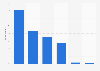
60 percent of global food waste, or 631 million tonnes per year, falls into the category of household waste. Supermarkets and other businesses are also guilty of disposing of signficant quanities of food with the total amount discarded also adding up to hundreds of millions of tonnes per year. The report estimates that 290 million tonnes are wasted in the food service sector annually while retailers discard 131 million tonnes.
UNEP defines food waste as food that completes the food supply chain up to a final product, of good quality and fit for consumption, but still doesn't get consumed because it is discarded, whether or not after it is left to spoil or expire. Food waste typically (but not exclusively) takes place at retail and consumption stages in the food supply chain.