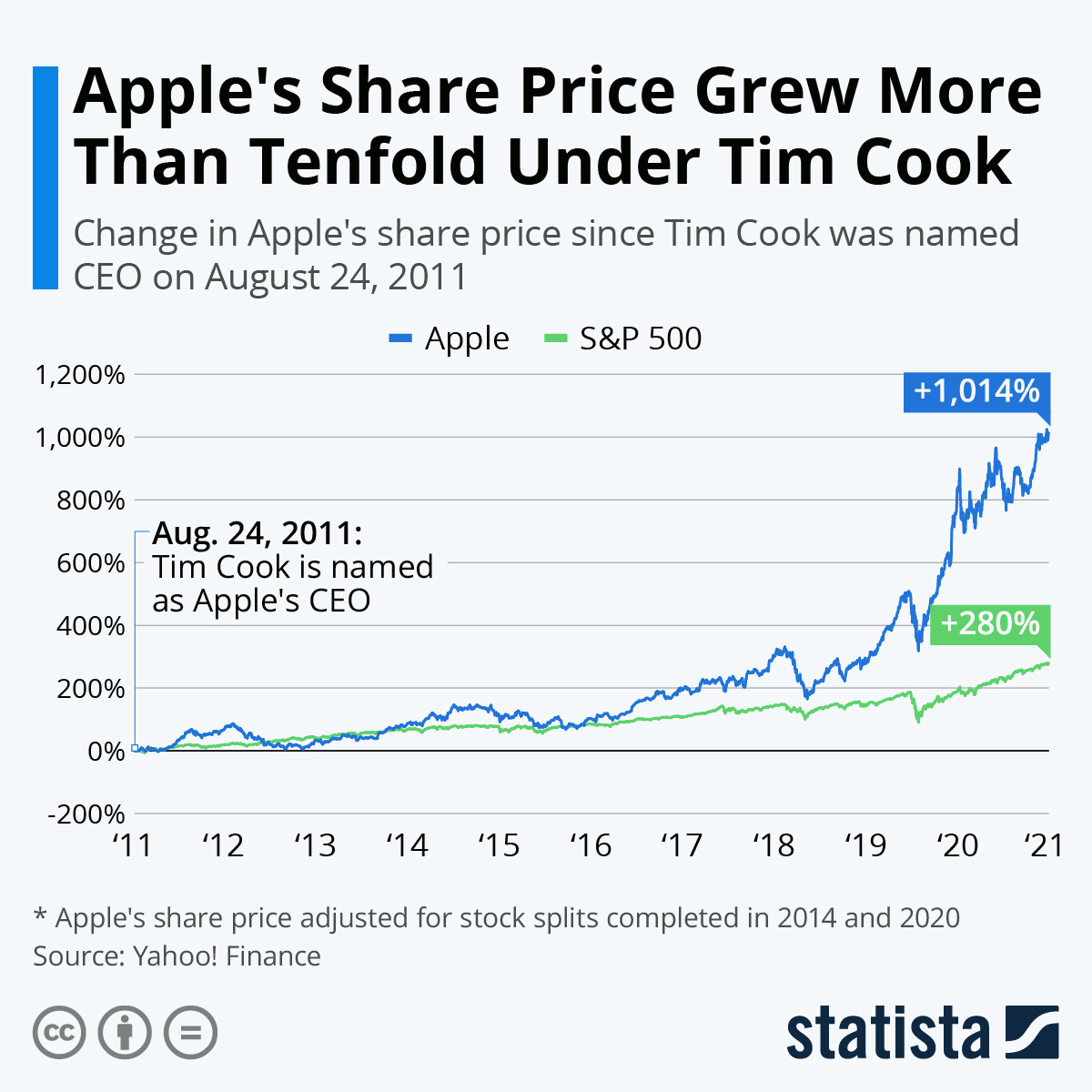
When Steve Jobs resigned from his position as Apple CEO on August 24, 2011, the stock market reaction was surprisingly muted. After all, Jobs was considered the visionary behind Apple’s resurgence from near bankruptcy in the late 1990s, and yet, Apple’s share price dropped by less than 1 percent on the day following the change of the guard. 10 years later, it’s safe to say that shareholders were right in trusting Jobs’ judgement that the company would be in good hands with Tim Cook, who had long been groomed as Jobs’ heir apparent.
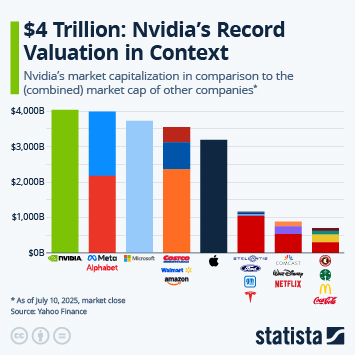
For shareholders of Apple, the tenure of CEO Tim Cook has been an unqualified success. Since taking over in August 2011, Apple’s stock has risen more than twentyfold, equivalent to an average annual return of over 20 percent, excluding dividends. Under Cook, Apple became the first company to reach a $1 trillion market valuation in 2018 and is now worth more than $4 trillion.
Despite navigating multiple crises, including U.S. President Donald Trump’s trade wars, the Covid-19 pandemic and a surge in global inflation, Cook steadily drove Apple’s expansion while gradually reducing its reliance on the iPhone. The company’s services division alone now generates more than $100 billion in annual revenue.
Even so, Cook’s successor John Ternus faces significant challenges. Apple’s artificial intelligence strategy is under scrutiny. A revamped, AI-powered Siri expected this fall will need to deliver, while Ternus also inherits the high expectations set by his predecessors: relentless growth, with any year without record-breaking revenue likely to be seen as a disappointment, regardless of the broader economic environment.
This infographic and article was originally created in German by Felix Richter, see it here.