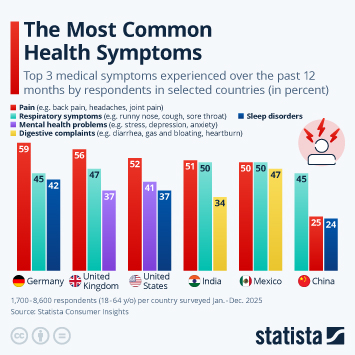
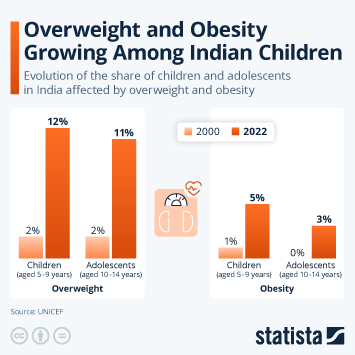
One in five people who have lived in war or crisis zones in the previous 10 years are likely to experience a mental health condition such as depression, anxiety or PTSD, according to data published by the Lancet journal in 2019. This is significantly higher than the global average at that time of one in 14. The World Health Organization notes that “emergencies can worsen mental health conditions and social issues such as poverty and discrimination. They can also contribute to new problems, such as family separation and harmful substance use.” This year, World Mental Health Day, observed on October 10, will focus on supporting the mental health concerns of people affected by humanitarian crises.
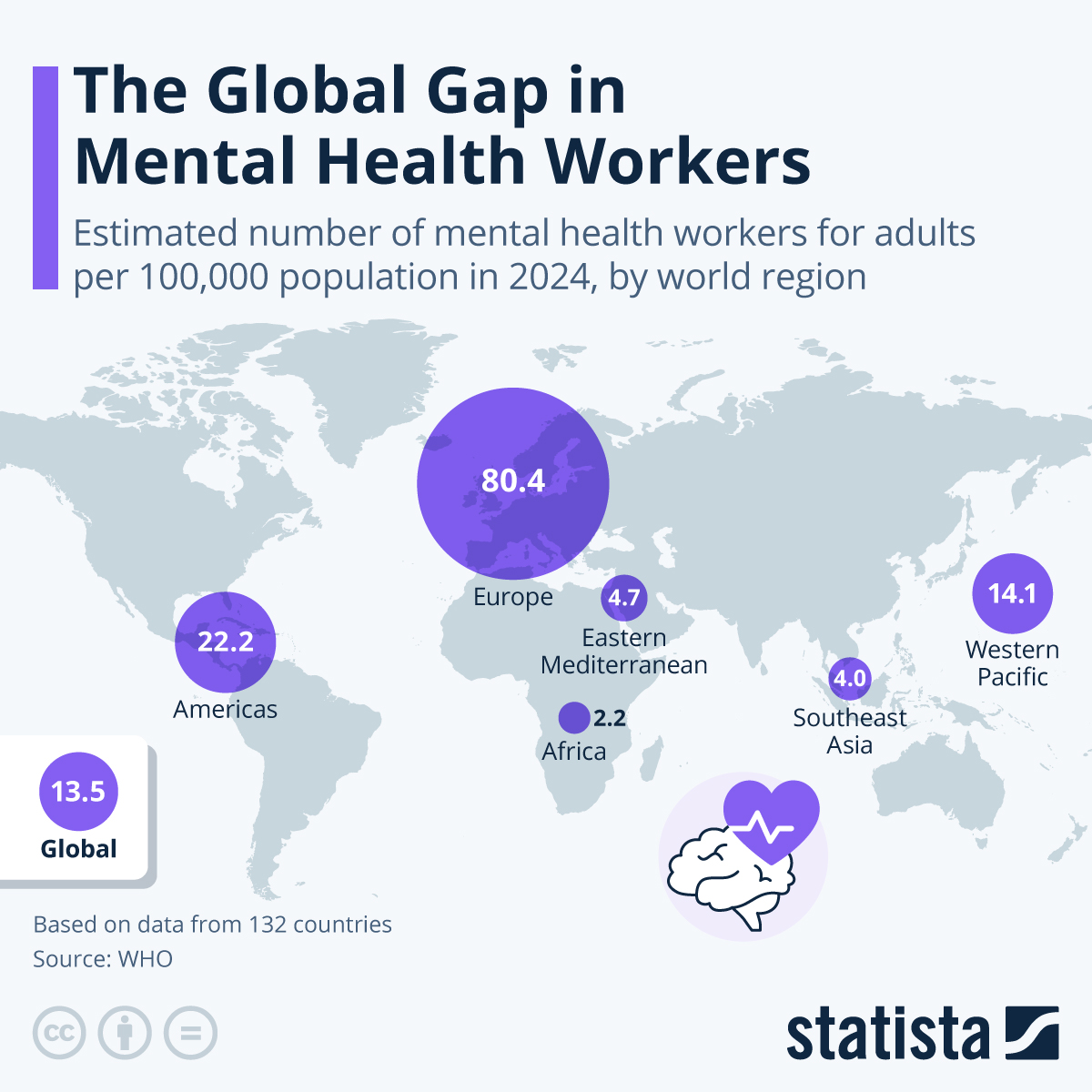
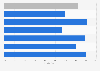
Where you are born in the world, or where you end up, will greatly impact your access to mental health support. Data from the WHO’s Mental Health Atlas 2024 reveals wide regional disparities: globally, there were on average 13 mental health professionals for adults per 100,000 people, but Europe reported around 80 per 100,000 compared to around two per 100,000 in Africa.
Similar disparities appear when broken down by World Bank income groups. High-income countries averaged 67.2 specialized mental health workers for adults per 100,000 people, compared to 19.3 in upper-middle-income countries, 2.4 for lower-middle-income countries and only 1.1 in lower-income countries.
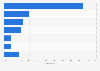
Shortages are also clear in other resources, such as inpatient beds in mental health residential facilities. In 2024, Europe had a median of 48 beds per 100,000 people, while the Western Pacific region had 9.5, the Americas 2.5, South-East Asia 1.8, and Africa just 0.4 per 100,000.
If you are feeling overwhelmed, anxious or depressed, please reach out to your family or friends, a mental health professional or contact a crisis line in your area. You are not alone, help is available.