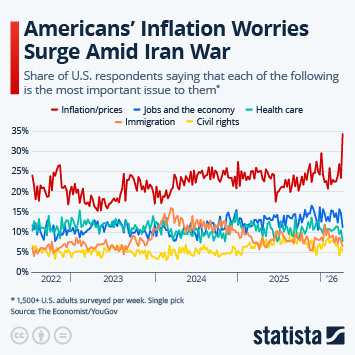
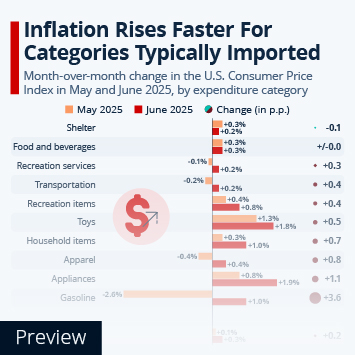
After the inflation shocks of the coronavirus pandemic and the invasion of Ukraine, the next wave of price increases is knocking at the door amid the war in Iran and the blockage of the Strait of Hormuz. U.S. headline inflation rose sharply on the back of energy price increases recently, by 3.3 percent in March, 4.9 percent in April and 4.2 percent year-over-year in May – the latest marking the highest level in three years. The Food and Agriculture Organization of the United Nations in early April already warned of the consequences of a prolonged war in the Middle East not just on oil, but also on fertilizer shipments. The FAO’s global food price index ticked up over the past couple of months as well due to increased energy costs. More severe increases could come up later if farm yields decrease.
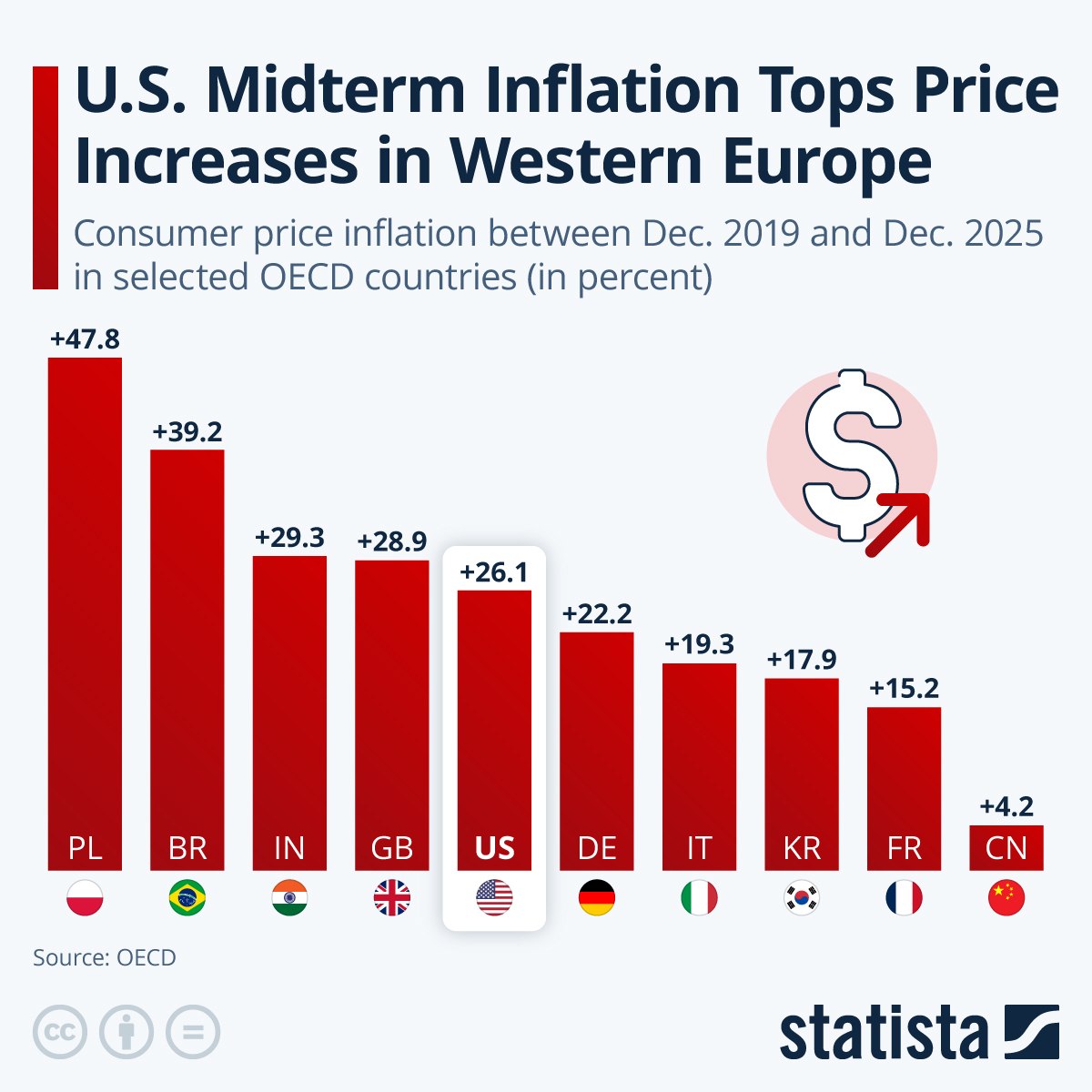
While consumers all over the world have been wary of inflation that doesn’t seem to stop, some places have been hit harder than others by it. Data by the OECD shows that inflation rates adjusted to internationally comparable levels over the past six years have been higher in the United States than in most of Western Europe. While the OECD finds that consumer prices in December of 2025 were more than 26 percent higher in the United States that in December of 2019, that same number was only around 22 percent in Germany, 19 percent in Italy and 15 percent in France. The exception is the United Kingdom, where comparable inflation stood at almost 29 percent for this time period.
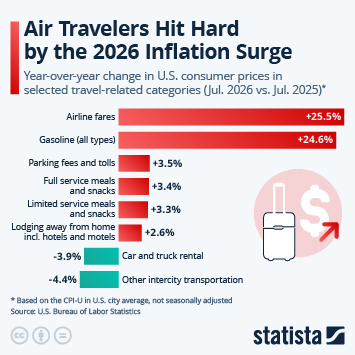
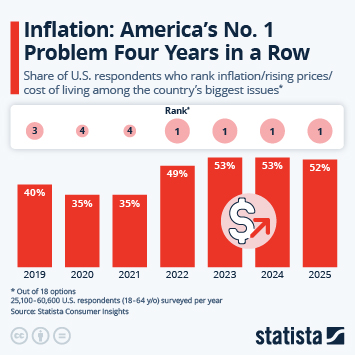
U.S. inflation has become a point of contention in the country and beyond, with consumers despairing over price points like $12 for a McDonald’s combo meal, $4 for a gallon of gas or $6 for a dozen eggs (the last item’s price additionally being driven up by bird flu outbreaks). In comparison to other countries, the United States is also experiencing significantly higher prices in some specific sectors like health care and event tickets, the latter recently found to have experienced monopolistic practices at the hands of concert promoter Live Nation and its ticketing arm Ticketmaster. Finally, the Trump administration’s tariffs have also had an inflationary effect, completing the multitude of price pressures that have hit consumers.
However, some nations have suffered even more from inflation since late 2019 despite fewer reports on the topic. According to the OECD, many of these are in Eastern Europe and the developing world. Poland has seen consumer prices inch up by almost 48 percent since late 2019 – a number that is topped by Hungary at almost 57 percent and approached by Estonia at 47 percent as well as Lithuania, Bulgaria and Czechia at 44 percent. This tops inflation in some major developing countries like Brazil (39 percent) and India (29 percent). While Eastern Europe and the Baltics were hit especially hard due dependence on Russian gas, war-related supply chain disruptions and sanctions, high inflation in Brazil has been described as a mix of global pressures, a stronger U.S. dollar opposite the real and a growing economy, which is generally more prone to inflation.