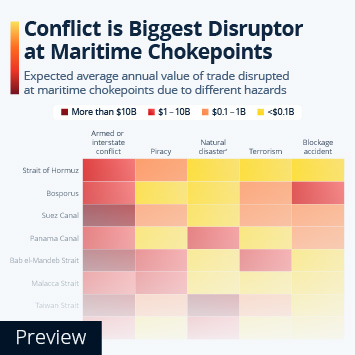
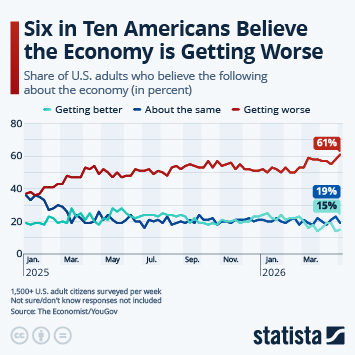
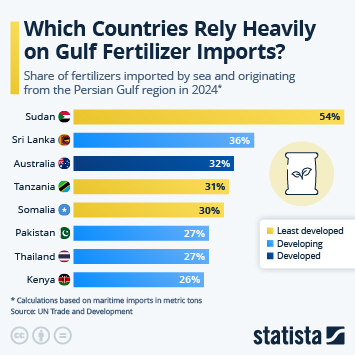
The Strait of Hormuz crisis is ongoing, with shipping traffic virtually shut off. Tensions remain high in the region after Washington said it struck Iranian military sites over the weekend and Tehran said it targeted a base used by U.S. forces in response. Shipping executives are awaiting a peace deal that would help restore confidence in the route and ensure safe passage through the strategic chokepoint.
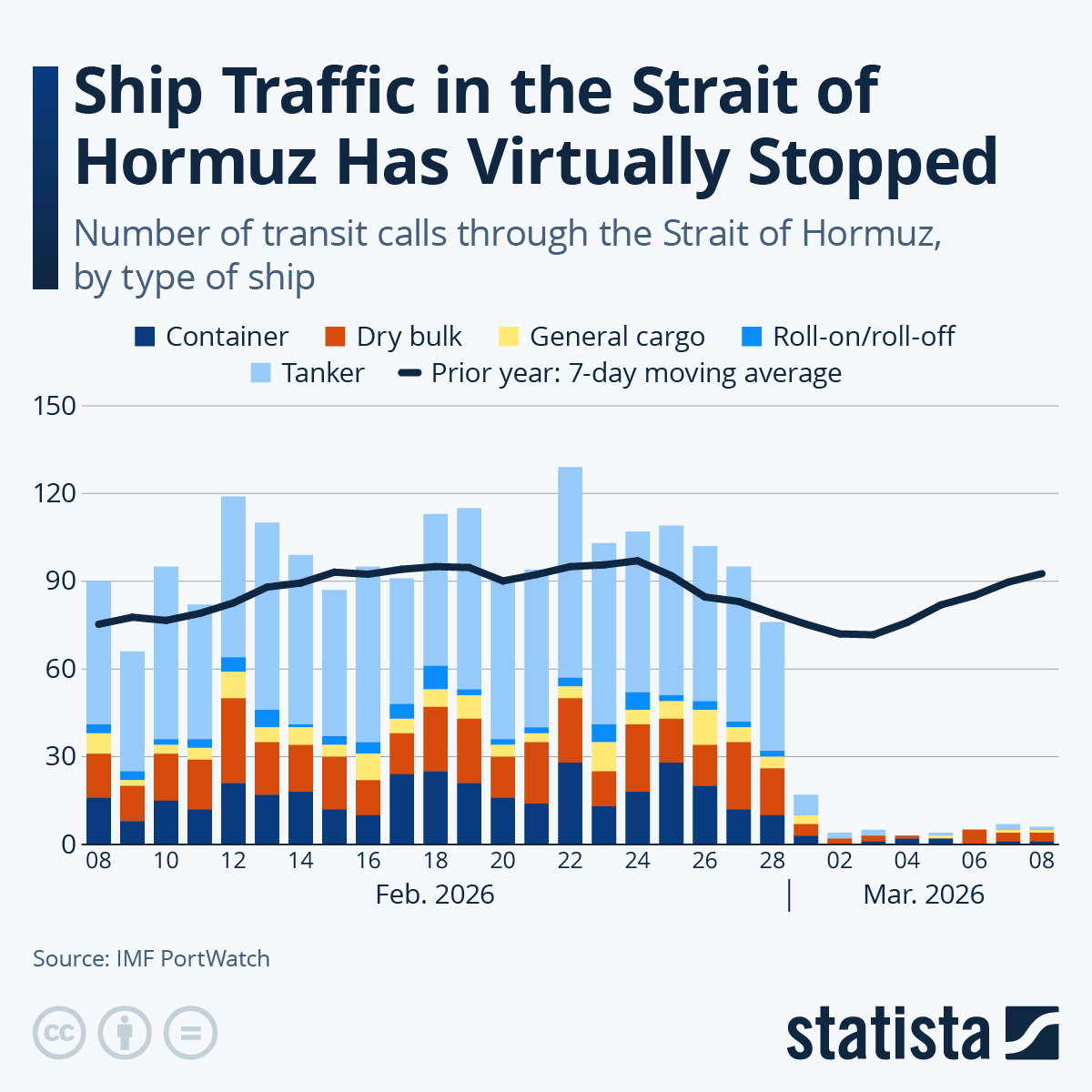
The weekend’s escalations are the latest in a string of events since the U.S. and Israeli military jointly led strikes against Iran, which started on February 28. In response, Iran brought shipping traffic in the Strait of Hormuz to a near standstill by attacking and threatening several vessels in the Gulf. Many commercial ships, mostly tankers, were forced to anchor outside the strait, waiting for a resolution of the crisis, as Tehran insisted ships could only pass under Iranian control and for a fee. A two-week ceasefire was declared on April 8 between the U.S. and Iran, including the brief re-opening of the strait. However, confusion remained and the number of vessels transiting the waterway remained low in the days that followed.
Vessel traffic has plummeted since the start of March. According to data from IMF PortWatch, a platform providing real-time data on port and maritime trade activity around the world, an average of around 6 ships per day passed through the Strait of Hormuz between March 1 and May 24, down from an average of around 100 ships per day in February, before the escalation of the conflict. Between 50 and 60 percent of the vessels passing through the strait are usually tankers carrying oil and liquefied gas, highlighting its crucial role in global energy trade.
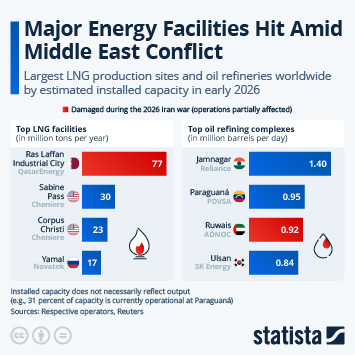
The Strait of Hormuz is one of the world’s most critical maritime chokepoints, serving as a gateway for roughly 25 percent of the world’s maritime oil trade. According to the IEA, an average of 20 million barrels per day of crude oil and oil products were shipped through the strait in 2025, with countries like Iraq, Kuwait, Qatar and Bahrain heavily reliant on the Strait of Hormuz to ship their oil exports. Large volumes of liquefied natural gas from major Gulf producers also pass through this narrow corridor, making it indispensable to global energy markets and price stability. The current closure of the strait has resulted in a spike in global oil prices, which could have devastating effects on the global economy if the crisis drags on.