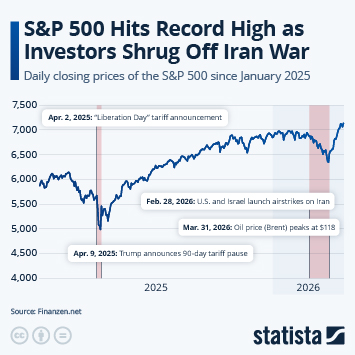
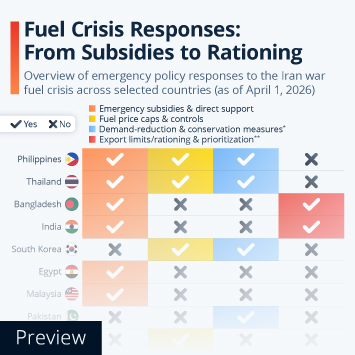
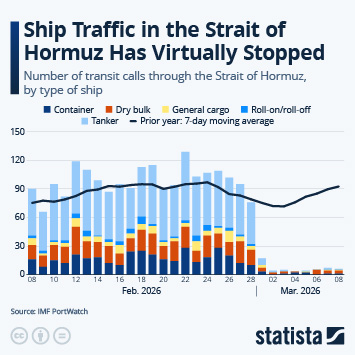
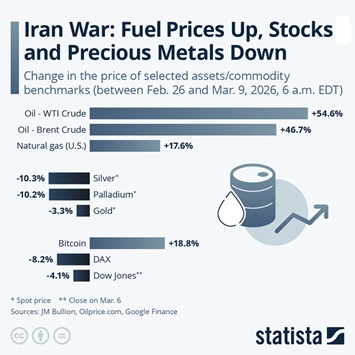
The escalation of the U.S.-Israel war with Iran in late February 2026 has sent fuel prices rising sharply around the world, highlighting the sensitivity of global energy markets to geopolitical shocks. Brent crude prices surged to multi-year highs in late April and early May, at above $100 per barrel, reflecting fears of prolonged disruptions to shipments through the Strait of Hormuz, a key chokepoint for global oil flows.
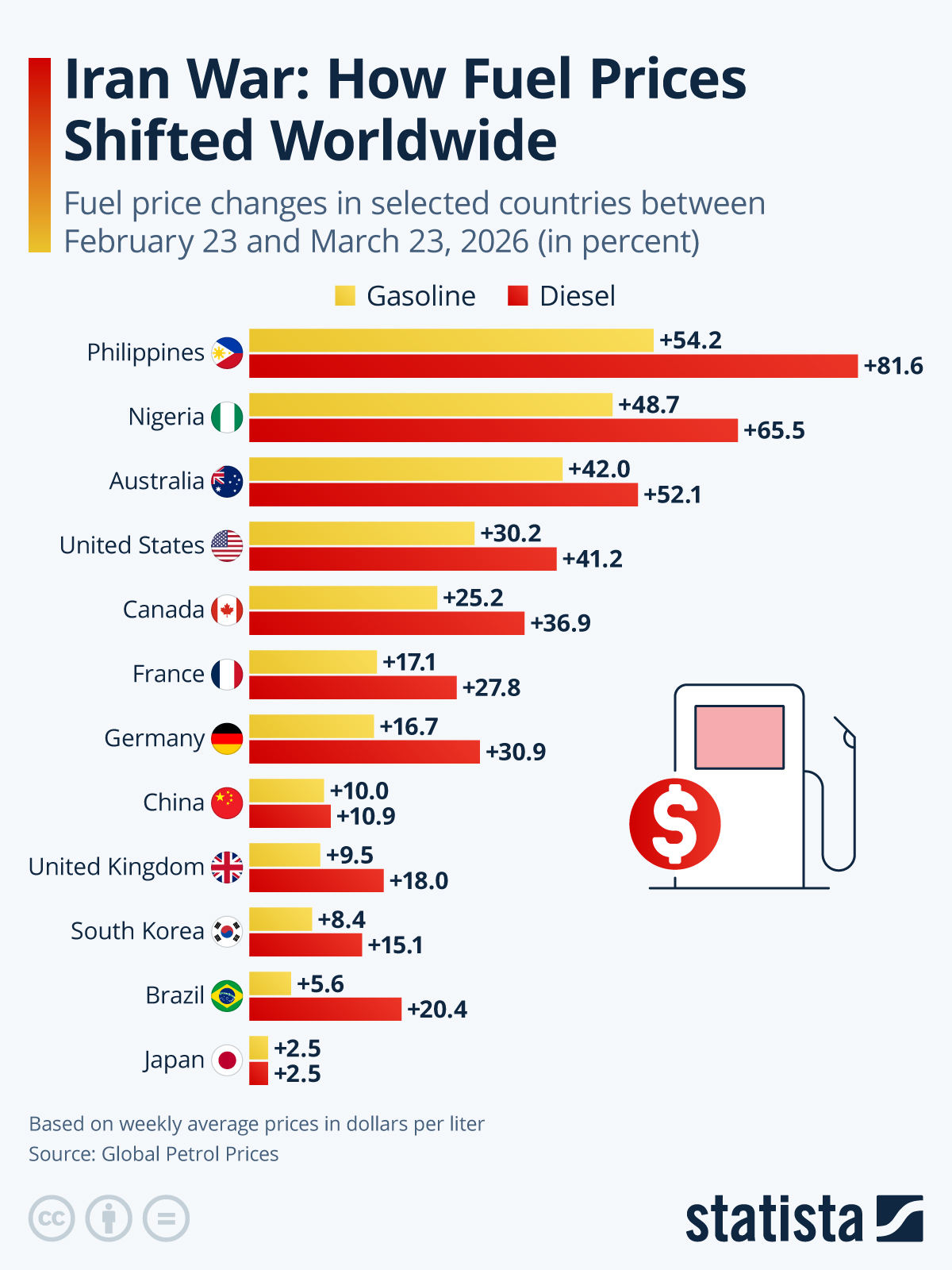
According to data from Global Petrol Prices, this dynamic is clearly reflected in retail fuel costs, which have risen sharply across many countries between late February and early May 2026. The increases have been particularly pronounced in parts of Asia and the Middle East, with gasoline prices jumping by more than 50 percent in Malaysia and Pakistan, while diesel surged even more steeply, by over 70 percent in Malaysia and more than 85 percent in the United Arab Emirates.
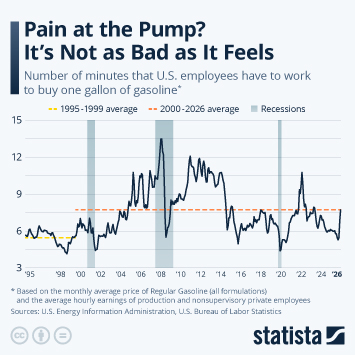
Other regions have also seen substantial increases. In the United States, gasoline prices rose by roughly 45 percent and diesel by just over 48 percent, while South Africa and Canada recorded gains of around 30 percent for gasoline and more than 60 percent and 30 percent for diesel, respectively. Across Europe and advanced Asian economies, price hikes have been more moderate but still significant, with gasoline rising by around 19 percent in the United Kingdom and South Korea, and by roughly 10 to 15 percent in Germany and Japan, while diesel generally posted stronger gains. Overall, the data underscores how the latest escalation has pushed up fuel prices worldwide, with diesel rising faster than gasoline in most markets, partly because it is more closely tied to global trade, freight and industrial activity, making it more sensitive to supply disruptions.